
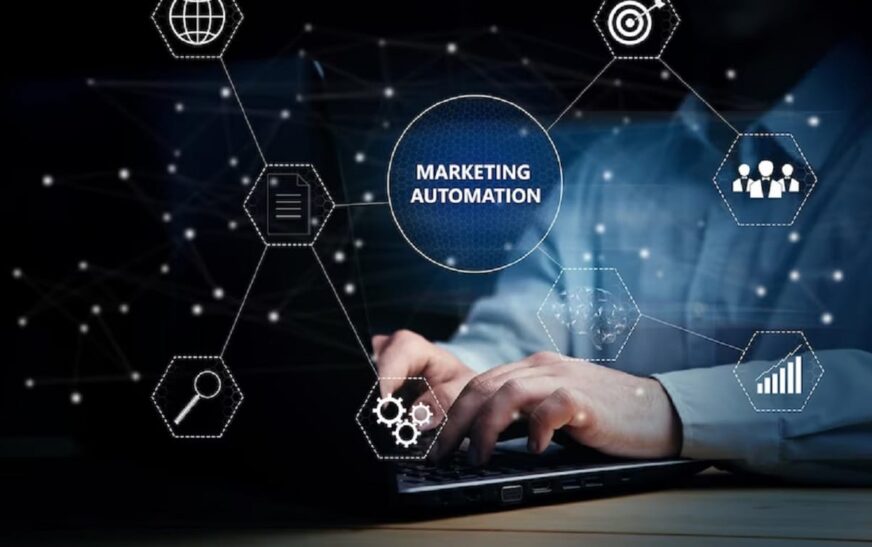
Systems that operate intelligently in the background while delivering highly personalized experiences. Among these systems, automated funnels have become the backbone of consistent customer acquisition and scalable growth. They allow businesses to guide potential customers through a structured journey without relying on constant manual effort.
When designed effectively, these funnels become more than just marketing workflows—they transform into self-sustaining ecosystems that nurture leads, build trust, and increase conversions over time. By combining behavioral insights with automation tools, businesses can create seamless interactions that feel natural to users while driving measurable results.
Understanding Marketing Automation Funnels
Marketing automation funnels are structured pathways that guide users from their first interaction with a brand to final conversion using automated systems. These funnels rely on triggers, workflows, segmentation, and behavioral data to deliver the right message at the right time.
Instead of manually managing each lead, automation ensures that every prospect receives consistent and relevant communication. This removes delays and improves the chances of converting interest into action.
- Automates repetitive marketing workflows across channels
- Delivers personalized messages based on user actions
- Maintains consistent engagement without manual intervention
How Automation Creates Predictable Funnel Performance
Automation turns unpredictable marketing efforts into structured systems. Once workflows are configured, they continuously operate based on predefined rules, ensuring every lead experiences a consistent journey.
This predictability allows marketers to forecast performance more accurately and optimize campaigns based on real data instead of assumptions.
Mapping the Customer Journey
The customer journey represents every stage a user goes through before making a purchase decision. Understanding this journey is essential for building effective automated funnels that feel natural and intuitive.
Each stage requires different messaging and engagement strategies to keep users moving forward without friction.
- Awareness stage introduces the brand and captures attention
- Consideration stage builds trust through education and comparisons
- Decision stage focuses on conversion-driven messaging and offers
Why Journey Mapping Improves Funnel Accuracy
Mapping the journey helps marketers align automation with real user intent. Instead of sending generic messages, systems can deliver context-aware communication that matches user behavior.
This improves engagement rates and ensures that users receive the right message at the right moment, reducing drop-offs significantly.
Lead Generation Strategies
Lead generation is the foundation of any successful funnel system. Without a steady flow of qualified leads, automation cannot deliver meaningful results.
At this stage, the focus is on attracting users who are genuinely interested in your offering and more likely to convert.
- Use gated content like ebooks, templates, and webinars
- Deploy automated opt-in forms across high-traffic pages
- Segment leads instantly based on behavior and source
Building High-Intent Traffic Sources
Not all traffic delivers equal value. High-intent users are more likely to engage and convert, making them essential for funnel success.
Automation tools help identify which sources bring the most valuable leads, allowing businesses to allocate resources more effectively and improve ROI over time.
Building Landing Pages that Convert
Landing pages act as the entry point for most funnels. Their structure and messaging determine whether a visitor becomes a lead or exits immediately.
A high-performing landing page removes distractions and focuses on a single, clear objective that aligns with user expectations.
- Keep design simple and focused on one goal
- Align content with traffic source for consistency
- Use automation for dynamic personalization
The Impact of Personalization on Conversions
Personalized landing pages significantly improve conversion rates by making users feel understood. Automation allows content to adapt based on user location, behavior, or referral source.
This relevance reduces hesitation and increases the likelihood of immediate action.
Email Sequences & Nurturing
Email sequences play a crucial role in nurturing leads throughout the funnel. Instead of sending random messages, automation ensures structured communication that builds trust over time.
Each email is designed to move the user closer to conversion by providing value and reinforcing credibility.
- Deliver educational and value-driven content
- Segment audiences for highly targeted messaging
- Automate follow-ups based on engagement signals
Behavioral Trigger-Based Engagement
Behavioral triggers activate emails based on user actions such as clicks, downloads, or inactivity. This makes communication timely and highly relevant.
For example, if a user abandons a cart, an automated reminder can re-engage them with personalized messaging.
Conversion Optimization with Automation
Conversion optimization focuses on improving funnel performance at every stage. Even small improvements can significantly increase overall revenue when scaled.
Automation enables continuous testing and refinement without manual effort.
- Run A/B tests on emails and landing pages
- Identify drop-off points in the funnel journey
- Optimize messaging based on engagement data
Reducing Friction in the Funnel
Friction occurs when users face confusion or barriers during their journey. Automation helps detect these issues and adjust workflows accordingly.
By simplifying steps and improving clarity, businesses can significantly increase conversion rates.
Analytics, Testing & Scaling
Analytics provide the insights needed to improve and scale funnel performance. Without data, optimization becomes guesswork.
Automation platforms track user behavior across all stages, offering a clear picture of what works and what needs improvement.
- Monitor conversion rates across funnel stages
- Track engagement metrics like clicks and opens
- Identify top-performing campaigns for scaling
Funnel Scaling Through Data Insights
Scaling successful funnels requires understanding which elements drive results. Automation makes it easy to replicate high-performing systems across different audiences or channels.
As more data is collected, systems become smarter and more efficient over time.
Funnel Performance Comparison Table
| Funnel Stage | Main Goal | Automation Role | Key Metric to Track |
| Awareness | Attract attention | Content distribution & ad targeting | Traffic & impressions |
| Lead Capture | Collect user information | Forms, pop-ups, gated content | Conversion rate |
| Nurturing | Build trust | Email sequences & segmentation | Engagement rate |
| Consideration | Educate & influence | Personalized content delivery | Click-through rate |
| Conversion | Drive purchase | Automated offers & reminders | Sales conversion rate |
| Retention | Maintain customer loyalty | Follow-ups & re-engagement campaigns | Repeat purchase rate |
Frequently Asked Questions
What is a marketing automation funnel?
A marketing automation funnel is a structured system that guides users through different stages of the buying journey using automated workflows and personalized messaging.
How does automation improve conversions?
Automation ensures timely communication, reduces manual delays, and delivers personalized content that increases user engagement and trust.
Are automation funnels suitable for small businesses?
Yes, small businesses benefit greatly by saving time, improving lead nurturing, and increasing conversion efficiency without large teams.
What tools are used in funnel automation?
Common tools include CRM platforms, email automation software, landing page builders, and analytics systems that track user behavior.
How long does it take to optimize a funnel?
Optimization is ongoing, but noticeable improvements often appear within weeks as data is collected and workflows are refined.
Conclusion
Marketing funnels supported by automation create a structured and scalable approach to customer acquisition. Instead of relying on manual processes, businesses can build systems that continuously engage, nurture, and convert leads with minimal intervention.
The real strength of these systems lies in their ability to evolve over time. As more data is collected, funnels become more accurate, efficient, and aligned with user behavior. This creates a compounding effect where performance improves consistently.
Businesses that invest in refining their funnels gain a long-term advantage. They not only increase conversions but also build stronger relationships with their audience through consistent and relevant communication.
Act Before Competitors Strengthen Their Position
Waiting to implement automation-driven funnels means allowing competitors to capture attention, leads, and market share that could have been yours. Every delay reduces the opportunity to build a system that learns, adapts, and improves over time.
The businesses that act early are the ones that benefit from compounding growth. Their systems mature faster, their data becomes richer, and their optimization cycles become more effective. Over time, this creates a significant competitive gap that becomes harder to close.
Taking action now ensures that your funnel starts working immediately, collecting insights and generating results while others are still planning. The earlier you begin, the faster your system evolves into a reliable engine for sustained growth.