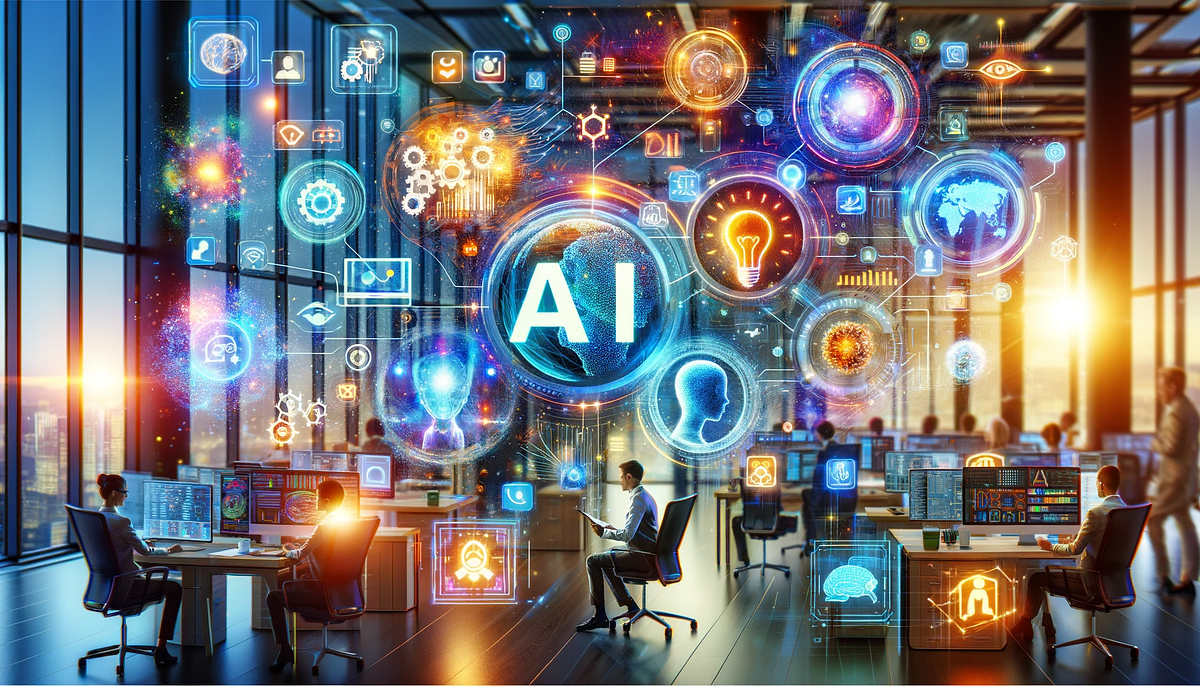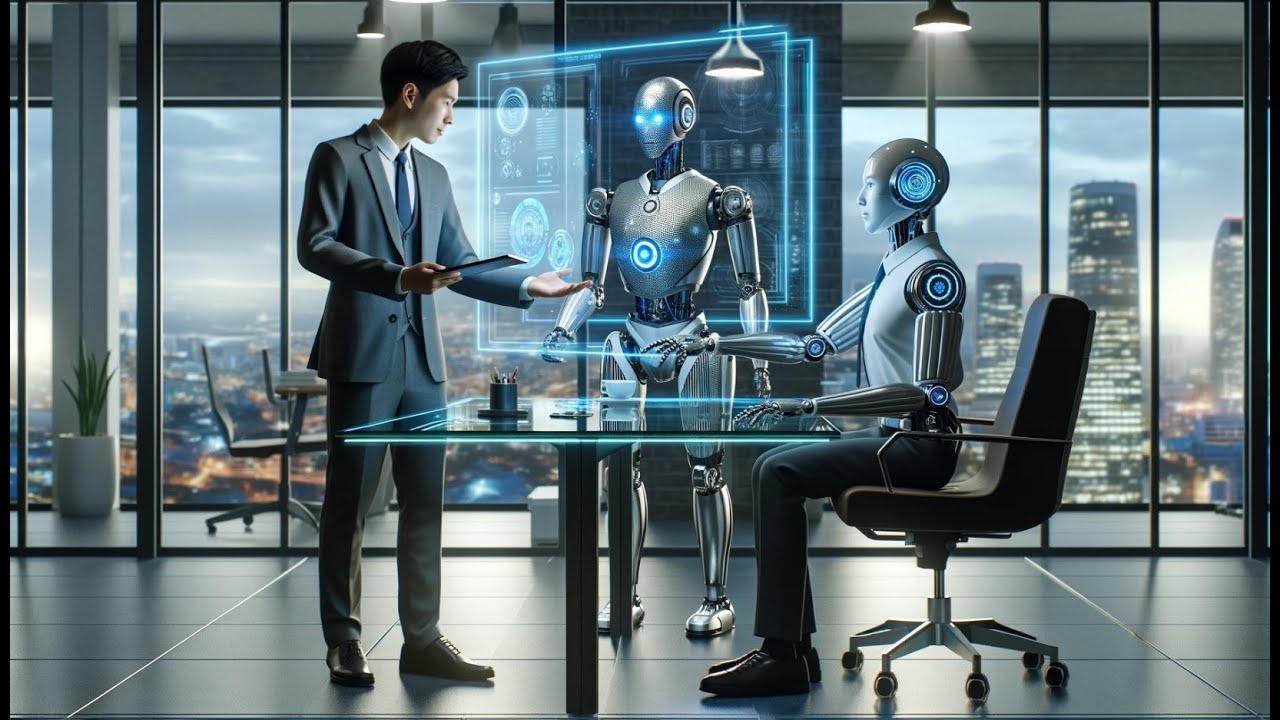

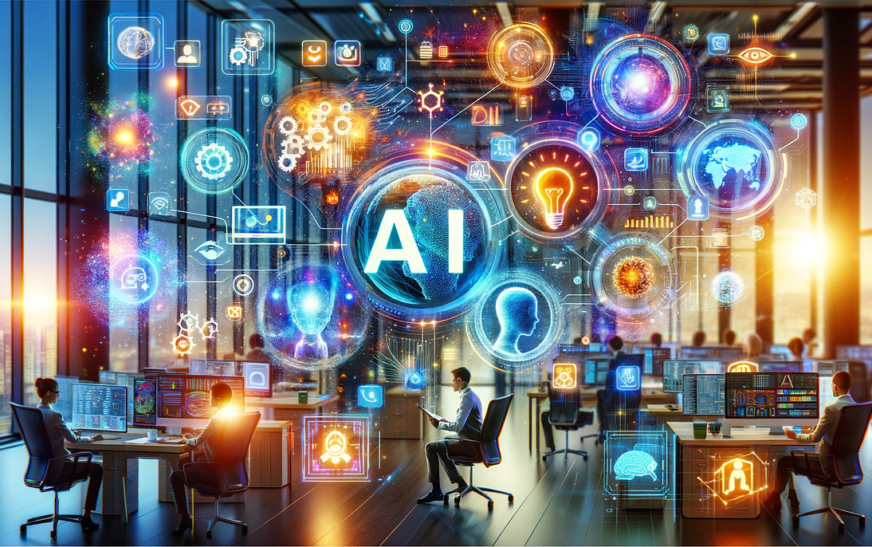
Artificial intelligence has become a defining force in modern business transformation, reshaping how organizations operate, compete, and scale. In 2026, AI is no longer an optional enhancement but a core operational necessity across industries. Businesses are integrating intelligent systems into their daily workflows to improve efficiency, reduce costs, and unlock deeper insights from complex datasets.
What makes this transformation even more significant is the ability of AI to continuously evolve alongside business needs. Companies are now using adaptive systems that learn from real-time data and improve decision-making automatically. This shift is enabling organizations to become faster, more agile, and more profitable in increasingly competitive markets.
AI-Driven Operational Cost Optimization
Artificial intelligence is fundamentally changing how companies manage operational expenses by identifying inefficiencies that are often invisible through traditional analysis. Instead of relying on periodic reviews, businesses now use continuous monitoring systems that detect waste, predict cost leaks, and optimize resources in real time. This leads to more controlled spending and improved financial stability across departments.
AI also enables companies to move from reactive cost management to proactive optimization. By analyzing historical and real-time data together, systems can predict where overspending might occur and automatically suggest corrective actions. This reduces financial uncertainty and strengthens long-term budgeting accuracy.
Smarter Systems That Reduce Waste and Improve Efficiency
AI systems continuously evaluate operational data to detect inefficiencies in energy usage, supply chains, and workforce allocation. These insights allow companies to take immediate action before small inefficiencies turn into large financial losses.
- Identifies hidden inefficiencies across operations
- Reduces unnecessary consumption of resources
- Improves cost forecasting and budgeting accuracy
Adaptive Resource Management for Modern Enterprises
Modern AI systems dynamically adjust business resources based on shifting demand patterns. This ensures that companies maintain optimal performance levels without overstaffing or underutilizing assets.
- Automatically reallocates workforce and inventory
- Responds to demand changes in real time
- Reduces dependency on manual oversight
Intelligent Automation of Business Processes
Automation powered by AI has evolved into a complete operational framework rather than just a productivity tool. Businesses are now automating entire departments, including finance, HR, logistics, and customer service. This shift allows organizations to operate with fewer delays, fewer errors, and significantly lower operational costs.
In addition to efficiency gains, automation also improves consistency in output quality. Tasks that once depended on human judgment are now handled by intelligent systems that follow standardized, data-driven logic. This creates more predictable and reliable business performance.
End-to-End Workflow Automation Across Departments
AI systems now manage entire workflows from initiation to completion without requiring constant human supervision. This helps organizations reduce administrative burdens and improve operational speed.
- Automates payroll, billing, and compliance tasks
- Streamlines approval and documentation workflows
- Reduces operational delays and manual bottlenecks
Workforce Efficiency Through AI Collaboration
Instead of replacing workers, AI acts as a productivity partner that enhances human capabilities. Employees now rely on AI tools to handle repetitive tasks, allowing them to focus on higher-value responsibilities.
- Assists employees with intelligent recommendations
- Reduces manual workload across departments
- Improves productivity without increasing staffing costs
AI in Marketing and Revenue Optimization
Marketing has become far more precise and data-driven due to AI integration. Businesses can now analyze customer behavior in real time and deliver highly personalized content that improves engagement and conversion rates. This ensures that marketing budgets are spent more effectively.
AI also helps businesses eliminate guesswork in campaign planning. Instead of static marketing strategies, companies now rely on dynamic systems that continuously adjust based on customer response patterns. This improves efficiency and maximizes return on investment.
Data-Driven Personalization at Scale
AI enables companies to understand individual customer preferences and deliver tailored experiences across multiple channels. This level of personalization significantly improves customer engagement.
- Analyzes behavioral and purchase data
- Delivers personalized recommendations
- Increases conversion rates through targeted messaging
Smarter Campaign Management Systems
Marketing campaigns are now continuously optimized using real-time performance data. AI adjusts targeting, budget allocation, and messaging to maximize impact.
- Real-time campaign performance optimization
- Automated testing and refinement processes
- Improved return on advertising spend
AI-Enhanced Customer Experience Systems
Customer experience has become a key competitive factor, and AI is playing a central role in shaping it. Businesses now use intelligent systems to provide faster, more accurate, and more scalable customer support. This reduces waiting times and significantly improves satisfaction levels.
At the same time, AI helps companies understand customer emotions and feedback more deeply. By analyzing sentiment across multiple channels, businesses can proactively address concerns before they escalate into larger issues.
Intelligent Support and Engagement Models
AI-powered chat systems and virtual assistants handle a large portion of customer queries instantly. This reduces pressure on human support teams while maintaining service quality.
- Provides 24/7 automated customer support
- Reduces response and resolution times
- Scales support without additional costs
Sentiment Analysis and Experience Optimization
AI systems analyze customer feedback to detect emotional patterns and satisfaction levels. This helps businesses refine their services and improve retention.
- Tracks sentiment across interactions
- Identifies dissatisfaction early
- Improves long-term customer retention
Predictive Intelligence for Financial Growth
Predictive analytics has become essential for modern business planning. Companies use AI to forecast market trends, customer demand, and financial outcomes with high accuracy. This reduces uncertainty and supports better decision-making.
Instead of relying on past performance alone, businesses now use forward-looking insights to shape strategies. This allows them to allocate resources more efficiently and reduce financial risks.
Forecasting Systems That Drive Smarter Decisions
AI forecasting models help businesses anticipate future demand and revenue patterns. This improves planning accuracy and reduces financial surprises.
- Predicts sales and demand trends
- Identifies potential risks early
- Improves financial forecasting accuracy
Strategic Business Planning with AI Insights
AI supports long-term planning by identifying patterns that are not visible through traditional analysis methods. This enables more informed strategic decisions.
- Strengthens long-term growth planning
- Reduces uncertainty in decision-making
- Supports scalable business models
AI in Enterprise Decision-Making
Decision-making in modern enterprises has become significantly faster and more accurate due to AI integration. Business leaders now have access to real-time dashboards that provide instant insights into performance metrics. This allows them to respond quickly to changes in business conditions.
AI also reduces reliance on intuition-based decisions. Instead, leaders use data-backed insights to guide strategy, ensuring more consistent and reliable outcomes across the organization.
Real-Time Intelligence for Leadership Teams
AI dashboards provide a complete overview of business performance, enabling faster and more informed decisions.
- Real-time visibility into operations
- Faster response to business changes
- Improved leadership accuracy
Data-Centric Leadership Transformation
Leadership decisions are now driven by data rather than assumptions. This improves consistency and reduces strategic risks.
- Eliminates guesswork in decision-making
- Enhances cross-department alignment
- Improves organizational agility
Future of Intelligent Business Ecosystems
The future of business is moving toward fully autonomous systems that require minimal human intervention. These systems will continuously optimize operations, manage resources, and adapt to market conditions automatically. This represents a major shift in how companies will function in the coming years.
As AI integrates with other technologies like cloud computing and IoT, businesses will become more interconnected and efficient. This will enable faster operations and more coordinated decision-making across entire ecosystems.
Fully Autonomous Business Structures Emerging
AI systems are evolving into self-managing platforms capable of handling entire business functions independently.
- Self-optimizing operational systems
- Reduced human dependency
- Continuous performance improvement
Integration Across Digital Ecosystems
AI is increasingly connecting different technologies into unified business ecosystems. This improves communication between systems and enhances efficiency.
- Seamless integration of digital tools
- Improved system coordination
- Faster business operations
📊 AI Impact Comparison in Modern Business (2026)
| Business Area | Traditional Approach | AI-Driven Approach (2026) | Impact Level |
| Operations Management | Manual monitoring | Real-time AI optimization | Very High |
| Customer Support | Human-only teams | AI + human hybrid system | Very High |
| Marketing | Fixed campaigns | Adaptive AI campaigns | High |
| Decision Making | Experience-based | Data-driven AI insights | Very High |
| Cost Management | Periodic budgeting | Continuous AI optimization | High |
FAQs
1. How does AI reduce business costs?
AI reduces costs by automating tasks, optimizing resources, and eliminating inefficiencies in operations.
2. Is AI useful for small businesses?
Yes, small businesses can use AI tools for marketing, automation, and customer support effectively.
3. Does AI increase business profit?
Yes, AI increases profit by improving efficiency and optimizing revenue-generating processes.
4. Is AI hard to implement?
Most modern AI tools are user-friendly and require little to no technical expertise.
5. Which industries benefit most from AI?
Industries like finance, healthcare, retail, logistics, and manufacturing benefit the most.
Conclusion:
Artificial intelligence has become a central pillar of modern business transformation. In 2026, companies are leveraging AI not just for automation but for complete operational intelligence. This shift is enabling organizations to reduce costs, improve accuracy, and scale faster than ever before.
As AI continues to evolve, its influence will deepen across all aspects of business operations. Companies that integrate these systems early will gain stronger efficiency, better decision-making capabilities, and long-term competitive advantage in an increasingly data-driven economy.
The Time to Adapt Is Running Out for Businesses
The gap between AI-powered organizations and traditional businesses is widening rapidly. Companies that are slow to adopt intelligent systems risk falling behind competitors who are already operating with higher efficiency and lower costs.
Businesses that act now will benefit from stronger profitability, faster scalability, and improved operational control. Those that delay risk losing relevance in markets that are increasingly shaped by AI-driven innovation.