
Artificial intelligence has become one of the most powerful forces shaping the modern business landscape in 2026. It is no longer treated as an experimental tool or a future investment. Instead, it has become a core operational foundation that influences how companies function, compete, and grow in real time. From small startups to global enterprises, AI is now embedded into decision-making, customer service, operations, and strategy.
What makes this transformation so significant is not just automation, but intelligence at scale. Businesses are now able to process massive volumes of data, predict customer behavior, optimize operations, and deliver personalized experiences faster than ever before. This shift has created a new kind of competitive environment where adaptability and speed define success.
The Rise of AI-Powered Business Operations
AI has completely redefined how businesses manage internal processes. Traditional manual systems that relied heavily on human input are being replaced by intelligent automation systems capable of learning and improving over time. This allows organizations to operate with greater consistency and significantly reduce inefficiencies.
Modern enterprises are increasingly integrating AI into supply chain management, HR systems, financial operations, and customer support workflows. The result is a more connected, efficient, and scalable business structure that reduces operational friction.
Intelligent Automation Across Departments
AI-driven automation is no longer limited to basic tasks. It now extends into complex decision-based workflows, helping teams operate faster and more accurately.
Key improvements include the following:
- Reduced manual workload across departments
- Faster execution of repetitive business processes
- Higher accuracy in data handling and reporting
This transformation allows organizations to focus more on innovation rather than operational maintenance.
AI Is Redefining Customer Experience at Every Level
Customer expectations have evolved dramatically, and businesses are using AI to meet these expectations in real time. Instead of generic interactions, customers now receive highly personalized experiences based on behavior, preferences, and past interactions.
AI-powered systems ensure that every customer touchpoint feels relevant, fast, and consistent across platforms such as websites, mobile apps, and support systems.
Hyper-Personalized Customer Journeys
AI enables businesses to create unique experiences for each customer without manual intervention. Every interaction becomes data-driven and context-aware.
Key advantages include the following:
- Real-time personalization across digital channels
- Faster resolution through AI-powered support systems
- Seamless customer experience across multiple platforms
This level of personalization significantly improves engagement and long-term customer loyalty.
Smarter Business Decisions Through AI Analytics
Data has become one of the most valuable business assets in 2026, but its real power comes from interpretation. AI systems are now capable of analyzing large datasets instantly and extracting insights that guide strategic decisions.
Instead of relying on intuition or outdated reports, leaders now depend on predictive models and real-time analytics to guide their next moves.
Predictive Intelligence for Strategic Planning
AI helps businesses anticipate market changes before they happen, allowing them to prepare in advance.
Key benefits include the following:
- Improved forecasting accuracy
- Early detection of market risks
- Stronger data-backed decision-making
This leads to more confident and efficient business strategies.
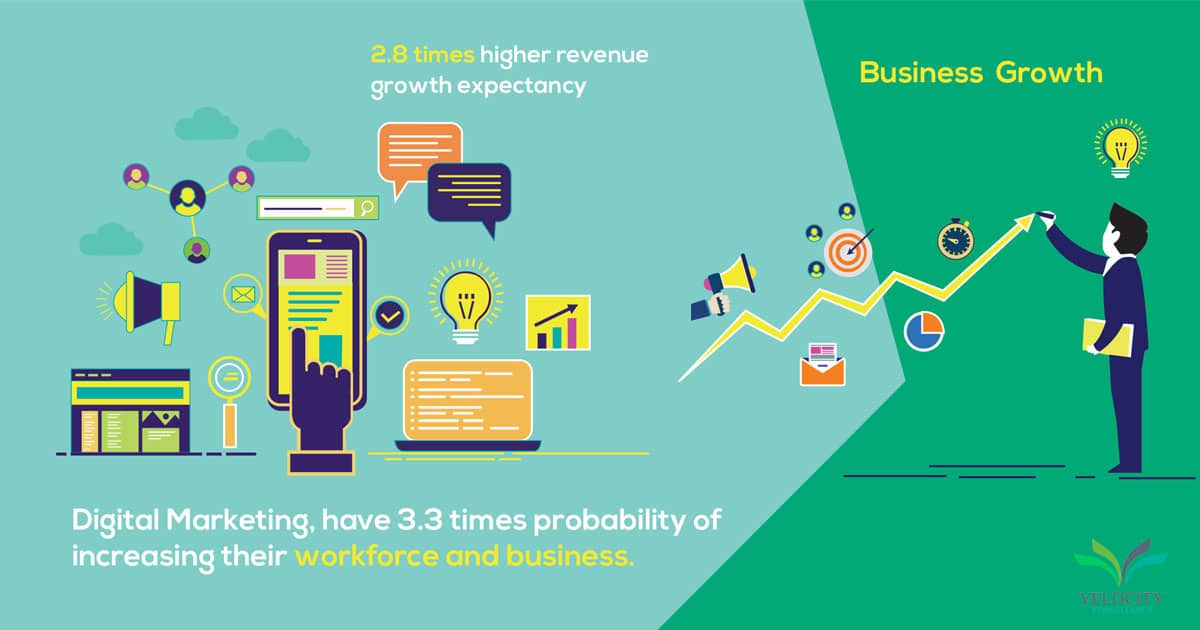
AI Transforming Marketing and Digital Growth
Marketing has shifted from manual campaign management to fully optimized AI-driven systems. Businesses now use AI to understand audiences, predict behavior, and optimize campaigns automatically.
This has made marketing more efficient, targeted, and cost-effective than ever before.
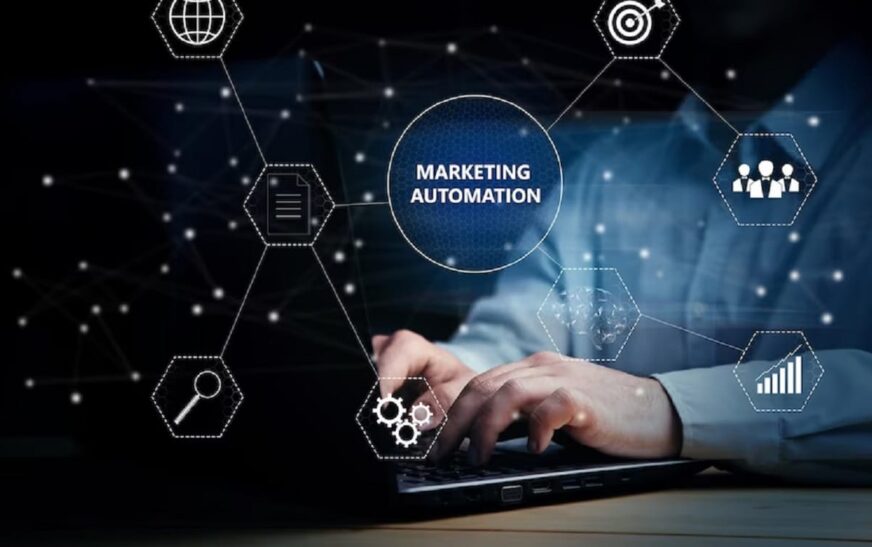
Automated Campaign Optimization Systems
AI continuously monitors campaign performance and makes adjustments in real time to maximize results.
Key benefits include the following:
- Better audience targeting and segmentation
- Increased conversion rates through personalization
- Reduced advertising waste and improved ROI
Marketing teams can now focus more on creativity while AI handles optimization.
Workforce Productivity in the Age of AI
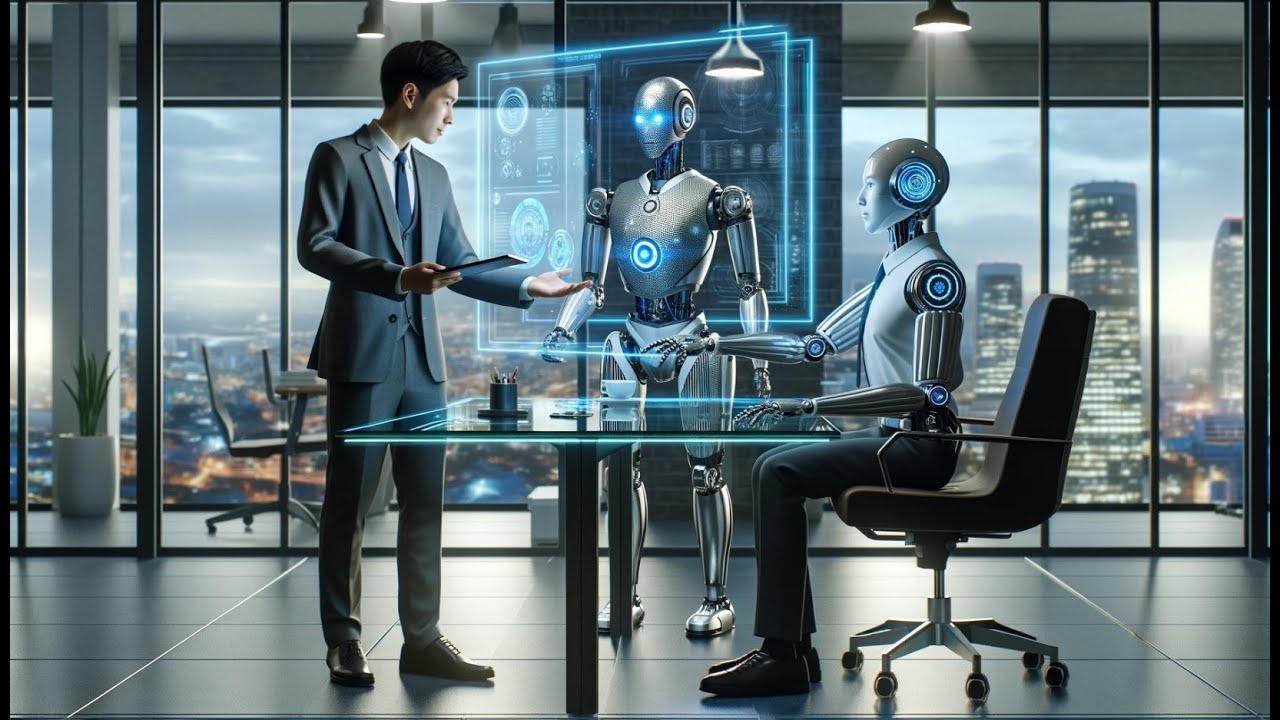
AI is not replacing human workers but enhancing their productivity. Employees are now supported by AI tools that reduce workload, improve accuracy, and speed up daily tasks.
This has led to a more balanced work environment where humans focus on creativity and strategy while AI handles repetitive tasks.
AI as a Digital Productivity Partner
AI tools act as assistants that help employees manage their daily responsibilities more efficiently.
Key improvements include the following:
- Faster completion of routine tasks
- Improved collaboration across teams
- Reduced workload pressure and burnout
Organizations benefit from higher efficiency and happier employees.
AI in Financial Systems and Risk Management
Financial operations have become more accurate and efficient with the help of AI. Businesses now use intelligent systems to track spending, forecast revenue, and detect anomalies in real time.
This has improved financial stability and reduced the risk of human error in decision-making processes.
Intelligent Forecasting and Risk Detection
AI analyzes financial data patterns to support better planning and risk management.
Key benefits include the following:
- Accurate budgeting and forecasting
- Early fraud detection systems
- Better financial control and transparency
This allows businesses to make stronger financial decisions with confidence.
Responsible AI Adoption and Ethical Practices
As AI becomes more powerful, responsible usage is becoming increasingly important. Businesses must ensure fairness, transparency, and accountability in all AI-driven systems.
Without proper governance, AI can lead to bias, misinformation, or privacy concerns, making ethical frameworks essential for long-term success.
Transparent and Ethical AI Systems
Companies are now focusing on building explainable AI models that provide clarity in decision-making processes.
Key focus areas include:
- Ethical use of customer and business data
- Transparent and explainable AI models
- Reduced bias in automated systems
This builds trust among customers and stakeholders.
AI Across Global Industries (Comparison Table)
| Industry | AI Application Example | Key Benefit |
| Healthcare | AI diagnostic systems | Faster and more accurate diagnosis |
| Retail | Personalized product recommendations | Higher sales conversion |
| Manufacturing | Predictive maintenance systems | Reduced machine downtime |
| Finance | Fraud detection algorithms | Improved security |
| Logistics | Route optimization systems | Lower delivery costs |
Building Long-Term Competitive Advantage with AI
AI is no longer just a tool for efficiency—it has become a strategic asset for long-term growth. Businesses that adopt AI effectively are building stronger competitive positions in their industries.
Over time, AI-driven systems improve continuously, making organizations more adaptive and resilient to change.
Sustainable Business Growth Through AI Systems
AI allows companies to scale operations without compromising quality or performance.
Key outcomes include the following:
- Faster adaptation to market changes
- Improved operational scalability
- Stronger long-term competitiveness
Frequently Asked Questions
What is AI mainly used for in modern businesses?
AI is used for automation, analytics, marketing, customer service, and decision-making. It helps businesses work faster and make smarter, data-driven decisions.
How does AI improve business efficiency?
AI improves efficiency by automating repetitive tasks and reducing delays. It increases accuracy and speeds up daily business operations.
Can small businesses use AI effectively?
Yes, small businesses can use AI tools for marketing, automation, and customer support. It helps them save time and reduce costs.
Does AI replace human workers?
No, AI does not replace humans. It supports them by handling repetitive tasks so they can focus on creative and strategic work.
Why is AI important for future business growth?
AI improves speed, accuracy, and scalability, helping businesses stay competitive. It supports faster growth, innovation, and easier adaptation to change.
Conclusion
Artificial intelligence has fundamentally changed how modern businesses operate in 2026. It influences every major aspect of business, including operations, marketing, finance, customer experience, and workforce productivity. This transformation is not temporary—it is reshaping the foundation of global business structures.
Companies that embrace AI are experiencing faster growth, better efficiency, and stronger customer relationships. At the same time, businesses that fail to adapt risk falling behind in an increasingly competitive environment where intelligence-driven systems define success.
The Window for Adaptation Is Closing Fast
The pace of AI adoption is accelerating rapidly across all industries. Businesses that delay implementation are widening the gap between themselves and competitors who are already leveraging intelligent systems.
AI is no longer optional—it is becoming the standard for business survival and success. Organizations that act now are building stronger systems, smarter workflows, and more scalable operations.
The real question is no longer whether AI should be adopted, but how quickly businesses can integrate it before the opportunity becomes a disadvantage.