

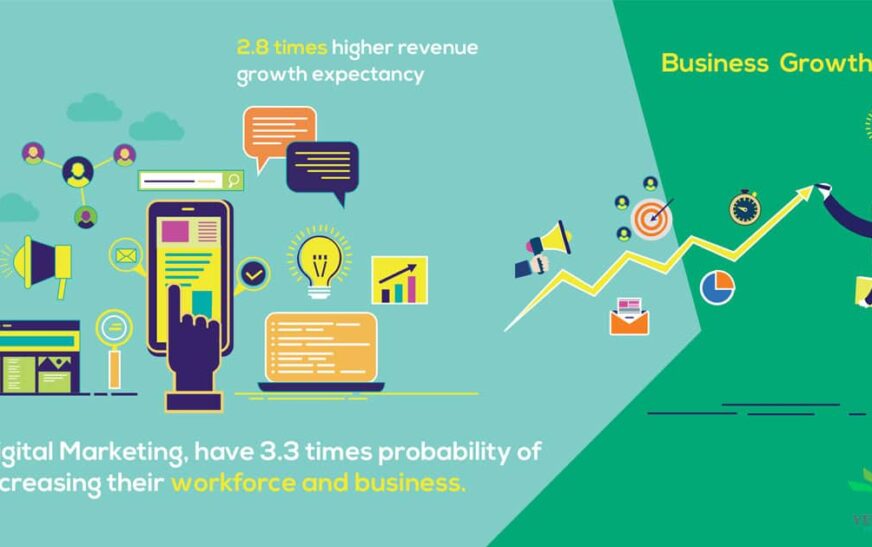
Building a strong online presence is no longer optional for businesses. Whether you run a small startup, an eCommerce store, or an established company, your audience is spending more time online than ever before. This makes digital marketing one of the most effective ways to connect with potential customers, build trust, and increase sales.
However, simply creating a website or posting on social media is not enough. Successful brands follow proven digital marketing practices that help them reach the right audience, create meaningful engagement, and turn visitors into loyal customers.
This guide covers the most effective digital marketing best practices that can help your brand grow online and achieve long-term success.
Why Digital Marketing Matters for Brand Growth
Digital marketing allows businesses to connect with people where they spend most of their time—online. It offers measurable results, targeted advertising opportunities, and multiple channels for reaching customers.
Some of the main benefits include:
- Increased brand visibility
- Better customer engagement
- Higher website traffic
- Improved lead generation
- Greater return on marketing investment
- Stronger customer relationships
Businesses that consistently apply effective digital marketing strategies often gain a competitive advantage and build stronger brand recognition.
Key Digital Marketing Channels and Their Benefits
| Marketing Channel | Primary Purpose | Key Benefit |
| SEO | Increase organic visibility | Long-term traffic growth |
| Content Marketing | Educate and inform audiences | Builds trust and authority |
| Social Media Marketing | Connect with customers | Improves engagement |
| Email Marketing | Nurture leads and customers | High conversion potential |
| PPC Advertising | Generate immediate traffic | Fast results |
| Video Marketing | Increase audience engagement | Higher content consumption |
Understanding how these channels work together can help create a more effective marketing strategy.
Create a Strong Brand Identity
Before investing in marketing campaigns, establish a clear and consistent brand identity.
Define Your Brand Voice
Your brand voice reflects how your business communicates with customers. It should remain consistent across all platforms, including your website, emails, blogs, and social media profiles.
Ask yourself:
- What values does your brand represent?
- How should customers perceive your business?
- What tone fits your audience?
Consistency helps customers recognize and trust your brand.
Maintain Visual Consistency
Your logo, colors, typography, and imagery should create a unified experience. Consistent branding makes your business appear more professional and memorable.
Focus on Search Engine Optimization (SEO)
SEO remains one of the most valuable digital marketing practices because it helps people find your business through search engines.
Optimize Website Content
Create content that answers customer questions and provides useful information. Focus on topics relevant to your audience and naturally include target keywords.
Important SEO elements include:
- Keyword-focused headings
- Clear page structure
- Internal linking
- Optimized images
- Fast-loading pages
- Mobile-friendly design
Publish High-Quality Content Regularly
Search engines reward websites that consistently publish valuable content. Blog posts, guides, tutorials, and case studies can help improve visibility while demonstrating expertise.
Improve Technical SEO
Technical improvements help search engines understand and index your website more effectively.
Key areas include:
- Website speed
- Secure HTTPS connection
- XML sitemap
- Mobile responsiveness
- Structured data implementation
Build a Content Marketing Strategy
Content marketing helps attract visitors and establish credibility.
Create Content That Solves Problems
People search online because they need answers. Your content should focus on helping readers solve real challenges rather than promoting products in every piece.
Examples include:
- How-to guides
- Industry insights
- Product comparisons
- Case studies
- Expert interviews
Use Different Content Formats
Different audiences prefer different types of content.
Consider creating:
- Blog articles
- Videos
- Infographics
- Podcasts
- Checklists
- Webinars
Diversifying content formats helps you reach a broader audience.
Strengthen Your Social Media Presence
Social media platforms provide direct access to potential customers and existing followers.
Choose the Right Platforms
Not every platform is suitable for every business.
For example:
- LinkedIn works well for B2B companies.
- Instagram supports visual brands.
- Facebook offers broad audience reach.
- TikTok appeals to younger audiences.
- YouTube is ideal for educational and video content.
Focus on the platforms where your audience is most active.
Engage With Your Audience
Social media should be a two-way conversation.
Effective engagement strategies include:
- Responding to comments
- Answering messages promptly
- Sharing user-generated content
- Conducting polls and surveys
- Hosting live sessions
Engagement helps build stronger customer relationships and encourages loyalty.
Use Email Marketing to Nurture Leads
Email marketing continues to deliver strong results because it provides direct communication with your audience.
Build a Quality Email List
Instead of purchasing email lists, encourage visitors to subscribe voluntarily.
Offer incentives such as:
- Free guides
- Exclusive discounts
- Industry reports
- Educational resources
Personalize Your Campaigns
Personalized emails typically perform better than generic messages.
You can personalize based on:
- Customer interests
- Purchase history
- Geographic location
- Website activity
Relevant content increases open rates and conversions.
Invest in Paid Advertising
Organic growth is valuable, but paid advertising can accelerate results.
Run Targeted Campaigns
Advertising platforms allow businesses to target users based on:
- Demographics
- Interests
- Behaviors
- Location
- Previous website visits
This targeting helps maximize marketing budgets.
Monitor Campaign Performance
Track important metrics such as:
- Click-through rate
- Cost per click
- Conversion rate
- Return on ad spend
- Customer acquisition cost
Regular optimization improves campaign efficiency over time.
Use Data to Improve Marketing Decisions
Successful digital marketing relies on data rather than assumptions.
Track Important Metrics
Monitor performance indicators including:
- Website traffic
- Bounce rate
- Conversion rate
- Customer retention rate
- Social media engagement
- Email open rates
These insights help identify what is working and where improvements are needed.
Test and Optimize
Continuous testing allows marketers to improve performance.
Areas to test include:
- Landing pages
- Headlines
- Call-to-action buttons
- Email subject lines
- Ad creatives
Small adjustments can produce significant improvements.
Prioritize Customer Experience
A positive customer experience strengthens brand reputation and encourages repeat business.
Improve Website Usability
Visitors should be able to find information quickly and navigate easily.
Focus on:
- Simple navigation
- Fast page speed
- Clear calls to action
- Mobile responsiveness
- Accessible design
Build Trust Through Transparency
Customers prefer brands that are honest and transparent.
Ways to build trust include:
- Displaying customer reviews
- Publishing case studies
- Providing clear contact information
- Offering transparent pricing
- Responding to customer concerns
Trust often becomes a deciding factor in purchasing decisions.
Frequently Asked Questions
1. Why is digital marketing important for brand growth?
Digital marketing increases visibility, attracts targeted audiences, builds trust, generates leads, and supports sustainable business growth online.
2. Which digital marketing channel delivers the best results?
Results vary by business, but SEO, content marketing, email campaigns, and social media often provide strong long-term returns.
3. How often should businesses publish new content?
Most brands benefit from publishing valuable content consistently, whether weekly, biweekly, or monthly, based on resources.
4. Is paid advertising necessary for online growth?
Paid advertising helps accelerate visibility and traffic, but strong organic strategies can also support sustainable growth over time.
5. How can businesses measure digital marketing success?
Track traffic, conversions, engagement, lead quality, customer retention, and revenue to evaluate overall marketing performance.
Conclusion
Growing a brand online requires more than occasional marketing efforts. Businesses that achieve lasting success focus on consistency, customer value, and data-driven decision-making. By combining SEO, content marketing, social media engagement, email marketing, paid advertising, and customer-focused experiences, brands can build stronger relationships and increase their online visibility.
The digital environment continues to change, but the core principles remain the same: understand your audience, provide value, and maintain a consistent presence across all channels. Following these best practices can help create sustainable growth and strengthen your brand’s position in the market.
Ready to Grow Your Brand Online?
A successful digital marketing strategy starts with the right plan and consistent execution. Whether your goal is increasing website traffic, generating qualified leads, improving customer engagement, or strengthening brand awareness, the right approach can make a measurable difference.
Take the next step by evaluating your current marketing efforts, identifying opportunities for improvement, and implementing proven strategies that support long-term business growth. The sooner you start optimizing your digital marketing efforts, the sooner your brand can reach a wider audience and achieve stronger results online.