
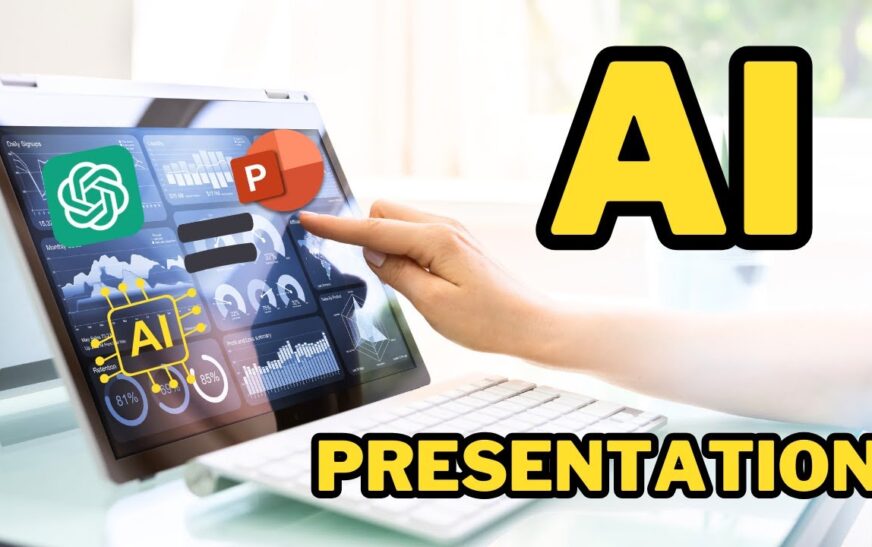
Creating presentations has moved far beyond manually adjusting slides, aligning boxes, and searching endlessly for visuals. With AI-powered design tools, the entire process has become faster, smarter, and significantly more structured. Instead of focusing on technical formatting, creators can now focus on communication, storytelling, and message clarity while AI handles most of the design workload.
This shift is especially valuable in modern workplaces, education, and digital communication where presentation quality directly impacts understanding and engagement. AI tools now assist in generating slide structures, designing layouts, and even suggesting visuals based on context. The result is a smoother and more efficient workflow that helps both beginners and professionals create impactful presentations without needing advanced design skills.
Understanding AI Presentation Tools Landscape
AI presentation tools represent a new generation of software that blends automation with creative assistance. These platforms analyze your input—whether it’s a short prompt or detailed notes—and convert it into structured slides with proper flow and design consistency.
What makes them powerful is their ability to understand meaning rather than just text formatting. This allows users to quickly turn ideas into polished presentations.
- Automatically generate complete slide decks from prompts
- Suggest layouts based on topic structure and intent
- Integrate visuals, icons, and design themes dynamically
- Reduce time spent on manual formatting tasks significantly
How AI Interprets Content into Slides
AI uses natural language processing to break down your content into meaningful sections. It identifies headings, subtopics, and supporting points, then organizes them into slides that follow logical progression.
This means you don’t need to manually decide every slide layout. Instead, the system predicts structure based on patterns found in professional presentations, ensuring a smooth storytelling experience from start to finish.
AI also evaluates tone and intent, adjusting design choices such as font style, spacing, and imagery to match the context of your presentation.
Choosing the Right AI Presentation Tool
Selecting the right AI tool is one of the most important steps because each platform offers different strengths. Some prioritize automation and speed, while others focus on design flexibility and branding control.
Your decision should depend on your use case, skill level, and the type of presentations you create regularly.
- Evaluate ease of use and onboarding experience
- Compare template libraries and customization options
- Check compatibility with PowerPoint, PDF, or web formats
- Look for collaboration features if working in teams
Matching Tools to Your Presentation Goals
Different goals require different tools. For example, a business pitch deck requires clean, minimal design, while a marketing presentation may need bold visuals and animations.
AI tools vary in how well they adapt to these needs. Choosing the right one ensures less editing later and a more aligned final output.
| Tool Type | Best Use Case | Strength |
| Fully Automated | Fast presentations | Instant slide generation |
| Semi-Automated | Professional decks | Balanced control and AI help |
| Creative AI Tools | Marketing & design-heavy decks | High customization |
Structuring Your Presentation Before Design
Before using any AI tool, structuring your content is essential. Without structure, even the most advanced AI will produce generic or unfocused slides.
A clear structure helps AI understand your message and convert it into meaningful visual storytelling.
- Define your main message or goal
- Break content into clear sections
- Keep each slide focused on a single idea
- Arrange flow logically from intro to conclusion
Why Structure Controls Presentation Quality
Structure is what determines clarity. AI tools rely heavily on how well your ideas are organized. If your input is scattered, the output will also feel disconnected.
A strong structure ensures that every slide has purpose and contributes to the overall narrative. It also reduces redundancy and improves audience understanding.
When structure is done right, AI becomes significantly more accurate in generating high-quality slide decks.
Designing Slides Using AI Templates
AI templates eliminate the need for manual design work by automatically applying fonts, colors, spacing, and layouts. This allows users to focus entirely on content rather than formatting.
Templates also ensure consistency across the entire presentation, which is critical for professionalism.
- Select templates based on audience and tone
- Maintain consistent branding throughout slides
- Use AI formatting for alignment and spacing
- Adjust only key elements for personalization
How Templates Improve Visual Consistency
Consistency is one of the biggest factors in presentation quality. When fonts, colors, and spacing remain uniform, the presentation feels more polished and professional.
AI templates enforce this automatically, preventing mismatched layouts or inconsistent styling that often happens in manual design.
This creates a smoother visual experience for the audience and keeps focus on the message instead of design distractions.
Enhancing Visual Storytelling with AI
Visual storytelling is where AI truly transforms presentations. Instead of manually searching for images or icons, AI suggests visuals that align directly with your content.
This helps turn plain information into engaging, memorable slides.
- Generate context-based visuals automatically
- Convert data into charts and infographics
- Add animations for smoother transitions
- Enhance emotional impact through design suggestions
Turning Data into Visual Stories
One of the most powerful features of AI is its ability to convert raw data into visual narratives. Instead of overwhelming your audience with numbers, AI transforms them into charts, graphs, and simplified visuals.
This makes complex information easier to understand and improves retention significantly.
Refining Content for Clarity and Engagement
Even though AI generates structured content, refinement is essential to ensure accuracy and clarity. This step helps improve tone, readability, and message precision.
It ensures that your presentation feels natural rather than overly automated.
- Simplify long or complex sentences
- Maintain consistent tone throughout slides
- Remove unnecessary repetition
- Adjust messaging for audience clarity
Improving Content Precision with AI Assistance
AI can suggest improvements in wording and structure, but human judgment is still essential for final refinement. This combination ensures accuracy and clarity.
When used properly, this step turns basic AI-generated slides into professional-level presentations with strong messaging impact.
Advanced AI Techniques for Better Presentations
Once you are familiar with the basics, advanced techniques can take your presentations to a higher level. These methods focus on personalization, optimization, and intelligent adaptation.
They are especially useful for professionals who frequently present in different contexts.
- Generate multiple variations of slide designs
- Personalize content for different audiences
- Use AI insights to improve engagement
- Experiment with layout A/B testing
AI Personalization for Different Audiences
AI can adapt presentations based on audience type, industry, or expertise level. This ensures that the same content can be adjusted for different contexts without rebuilding from scratch.
This improves relevance and increases engagement significantly.
Common Mistakes to Avoid in AI Presentations
Even with advanced AI tools, mistakes can reduce presentation quality if not carefully managed. Being aware of these helps maintain professionalism.
- Overloading slides with too much text or visuals
- Relying completely on AI without editing
- Ignoring design consistency across slides
- Using irrelevant or generic visuals
Balancing Automation and Creativity
AI should be treated as an assistant, not a replacement. The best presentations come from a combination of automation and human creativity.
This balance ensures that content remains authentic, structured, and engaging while still benefiting from AI efficiency.
FAQs
1. What are AI presentation tools used for?
They are used to automatically generate slides, design layouts, and enhance visual storytelling based on content input.
2. Can beginners use AI presentation tools easily?
Yes, most tools are designed for beginners and require little to no design experience.
3. Do AI tools replace manual presentation design?
No, they assist with design and structure, but human input is still needed for refinement and storytelling.
4. Are AI-generated presentations customizable?
Yes, users can fully edit text, layouts, visuals, and branding elements.
5. Which industries benefit most from AI presentations?
Business, education, marketing, training, and corporate communication benefit the most.
Conclusion
AI presentation tools have fundamentally changed how presentations are created. They remove repetitive design work, improve consistency, and allow users to focus more on communication and storytelling. When used effectively, they help produce high-quality presentations in a fraction of the time required by traditional methods.
However, the true power of these tools comes from how they are used. AI provides structure and speed, but human creativity ensures meaning and impact. Combining both creates presentations that are not only visually appealing but also strategically strong and easy to understand.
The Moment to Upgrade Your Presentation Skills Is Now
Presentation standards are evolving rapidly, and audiences now expect clearer, more visually engaging content than ever before. Relying on outdated manual methods can slow you down and reduce impact in competitive environments.
By adopting AI tools today, you gain a clear advantage in speed, quality, and communication effectiveness. Start experimenting, refine your workflow, and build a system that allows you to consistently produce professional-grade presentations with ease.