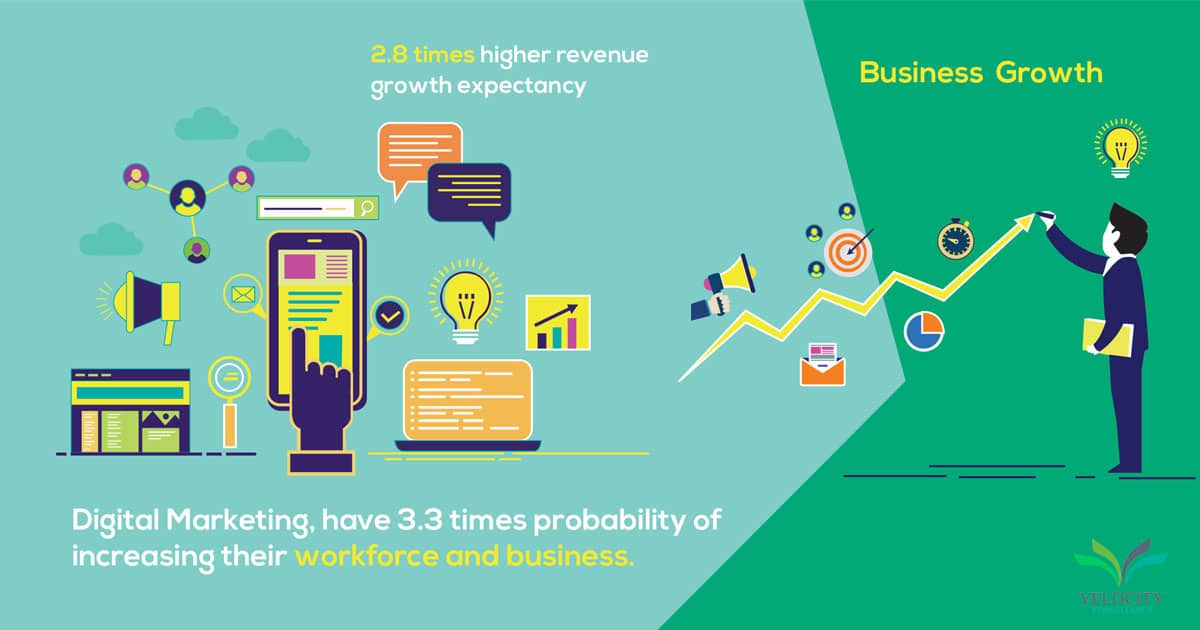

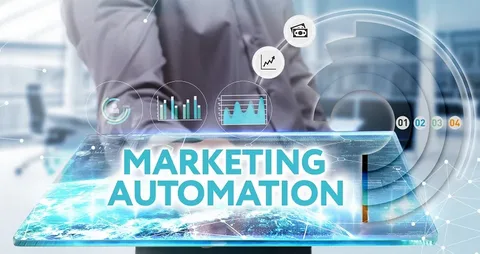
Marketing automation has become a defining force in how modern businesses attract, nurture, and convert customers. Instead of relying on scattered manual efforts, brands now build structured systems that respond intelligently to user behavior. This creates a smoother and more predictable path from first interaction to final purchase.
As digital ecosystems become more competitive, consistency and timing matter more than ever. Automation allows businesses to stay present across multiple channels without overwhelming their teams. It transforms marketing from a reactive process into a proactive system that continuously supports sales growth.
What Marketing Automation Really Means for Sales Growth
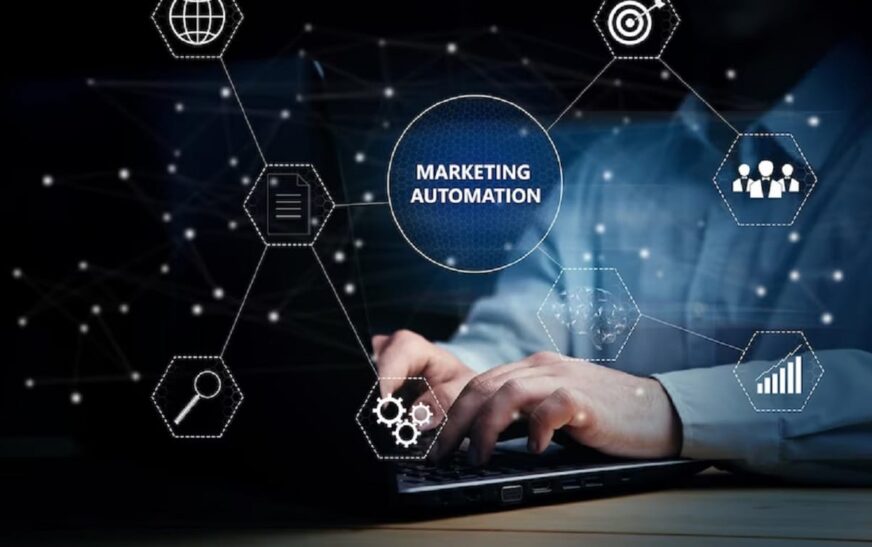
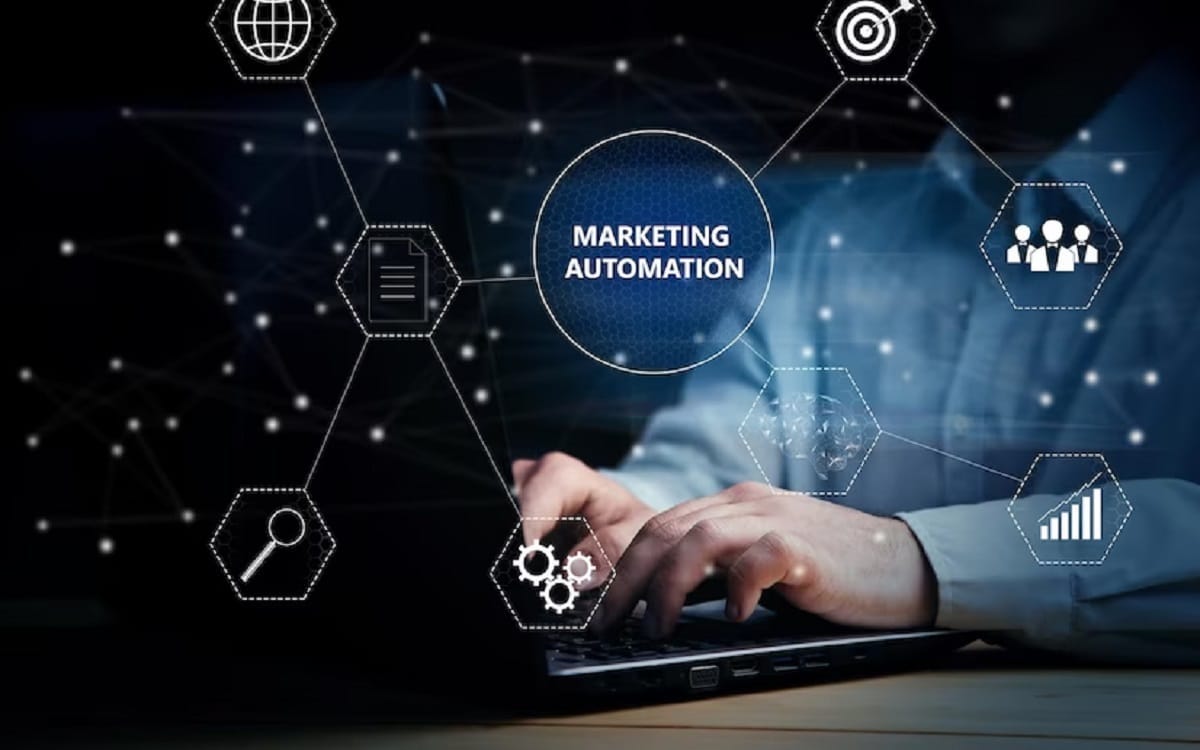
Marketing automation is the practice of using software and workflows to manage repetitive marketing actions while responding dynamically to customer behavior. It connects messaging, data, and timing into one unified system that supports scalable sales performance.
Instead of isolated campaigns, automation creates a connected journey where each action triggers the next logical step.
- Streamlines repetitive marketing tasks across platforms
- Connects behavioral data with personalized messaging
- Builds structured and scalable sales pipelines
How Systemized Marketing Changes Business Outcomes
When marketing becomes system-driven, every interaction has purpose and direction. Businesses gain the ability to predict outcomes more accurately and reduce dependency on manual execution. This improves both efficiency and customer experience at the same time. It also helps teams focus more on strategy instead of repetitive operational work. Over time, this structure builds consistency in revenue generation and customer engagement patterns.
Why Automation Directly Improves Sales Performance
Sales performance improves when communication becomes immediate, relevant, and consistent. Automation ensures that no lead is left unattended, and every interaction is timely enough to influence decision-making.
It removes delays that often break customer interest or reduce engagement levels.
- Enables instant responses to customer actions
- Improves personalization across multiple touchpoints
- Reduces lead leakage through structured follow-ups
Timing as a Conversion Driver
The moment a user shows interest is critical. Automation ensures that engagement happens at the right time, increasing the likelihood of conversion before interest fades or shifts elsewhere. It also helps businesses respond while intent is still high, which significantly improves conversion probability. This real-time responsiveness builds trust and keeps users engaged throughout the journey.
Building a High-Impact Customer Journey
A customer journey defines how users move from awareness to purchase. Automation helps structure this journey so that every stage delivers relevant value and guidance based on user intent and engagement level.
This reduces friction and makes decision-making easier for potential customers.
- Awareness stage builds initial brand familiarity
- Consideration stage provides educational content
- Decision stage focuses on conversion-driven messaging
Designing Behavior-Based Journey Paths
Behavior-based journeys adjust automatically depending on how users interact with content. Instead of static messaging, the system evolves based on actions, ensuring relevance at every step. It allows brands to respond to real-time signals such as clicks, visits, and downloads. This makes the entire experience feel personalized and naturally guided rather than forced.
Email Automation Workflows That Drive Engagement
Email automation remains one of the most reliable channels for nurturing leads and maintaining engagement. It allows businesses to communicate consistently without manual intervention for every message.
Properly designed workflows ensure that users always receive relevant and timely content.
- Welcome sequences introduce brand value clearly
- Behavioral triggers respond to user activity instantly
- Re-engagement flows recover inactive leads effectively
Personalization That Goes Beyond Basic Messaging
True personalization considers user behavior, interests, and engagement history. This level of detail increases trust and improves response rates significantly across campaigns. It also allows businesses to tailor messaging based on where the user is in the buying journey. Over time, this creates stronger emotional and transactional connections with the audience.
Lead Scoring and Segmentation for Smarter Targeting
Lead scoring and segmentation help businesses identify which users are most likely to convert. Instead of treating all leads equally, automation prioritizes high-value prospects and groups audiences based on shared behavior patterns.
This improves efficiency and sales focus.
- Assigns scores based on engagement and intent
- Segments users into behavior-based categories
- Helps sales teams prioritize qualified leads
Lead Scoring and Segmentation Table
| Lead Action | Score Value | Segment Type | Recommended Action |
| Email Open | Low | Cold Lead | Send educational content |
| Link Click | Medium | Warm Lead | Provide product insights |
| Pricing Page Visit | High | Hot Lead | Trigger sales outreach |
| Demo Request | Very High | Sales Ready | Immediate follow-up call |
| Cart Abandonment | High | Intent Lead | Send reminder + offer |
This structure allows businesses to respond intelligently instead of guessing customer intent, improving both conversion rates and sales efficiency.
Integrating CRM Systems with Automation Platforms
CRM integration connects customer data with marketing workflows, ensuring both sales and marketing teams operate from the same information source. This creates alignment and eliminates data silos that often slow down decision-making.
It also improves visibility across the entire customer lifecycle.
- Synchronizes customer data across systems
- Enhances tracking of customer interactions
- Improves collaboration between departments
Creating a Unified Customer Intelligence System
When CRM and automation tools work together, businesses gain a complete view of customer behavior. This allows teams to understand not just what users do, but also the context behind their actions. It also helps predict future behavior based on past interactions. This deeper intelligence supports better targeting and stronger sales strategies.
Measuring Performance and Optimizing Automation Systems
Automation is not static; it requires continuous tracking and improvement. Measuring performance ensures that workflows remain effective and aligned with business goals over time.
Optimization helps businesses refine strategies based on real data.
- Tracks conversions, engagement, and drop-off points
- Identifies high-performing workflows
- Improves ROI through data-driven adjustments
Using Analytics to Improve Decision-Making
Analytics reveals how users interact with each stage of the journey. This insight allows businesses to adjust messaging, timing, and structure for better overall performance. It also highlights weak points in the funnel that need optimization. With continuous monitoring, businesses can steadily improve conversion rates and customer experience.
FAQs
1. What is marketing automation used for?
Marketing automation is used to streamline repetitive marketing tasks and improve customer engagement through structured workflows.
2. Does automation really increase sales?
Yes, it improves sales by ensuring timely follow-ups, better lead nurturing, and higher conversion efficiency.
3. Is marketing automation difficult to implement?
It depends on the tools, but most platforms offer user-friendly setups that can scale gradually.
4. Can small businesses use automation effectively?
Yes, small businesses benefit greatly by saving time and improving lead management systems.
5. What industries benefit most from automation?
E-commerce, SaaS, real estate, and service-based businesses benefit significantly from automation systems.
Conclusion
Marketing automation has become a core driver of modern business growth. It helps organizations move away from fragmented efforts and toward structured systems that consistently generate results. By combining data, timing, and personalization, businesses can create meaningful customer experiences that directly influence purchasing decisions.
The long-term value of automation lies in its ability to scale without losing precision. As customer expectations evolve, automated systems can adapt and refine messaging accordingly. This ensures that engagement remains relevant, consistent, and impactful across every stage of the journey.
Businesses that invest in automation build stronger pipelines, reduce operational inefficiencies, and gain a competitive advantage that compounds over time. It is not just a tool but a foundation for sustainable growth in digital marketing environments.
Growth Will Not Wait for Manual Systems to Catch Up
The digital marketplace moves quickly, and businesses that rely on manual processes often fall behind. Automation provides the structure needed to keep pace with changing customer behavior and increasing competition. Without it, opportunities are easily lost due to delays and inconsistent engagement.
Taking action now allows businesses to build systems that continuously improve over time. Each workflow, each automation sequence, and each data-driven adjustment contributes to stronger performance and higher revenue potential.
The longer implementation is delayed, the harder it becomes to compete with businesses that already operate on automated systems. The opportunity for growth is immediate, and the systems that support it are available today.