

Digital marketing doesn’t feel like one fixed thing anymore. It’s not just running ads, posting on social media, or writing blogs hoping something sticks. It has turned into a layered system where everything connects. Content feeds ads. Ads feed data. Data changes content. And somewhere in between, brands try to stay visible without sounding like everyone else.
What’s changed most isn’t the tools. It’s the speed. Attention spans are shorter, competition is louder, and platforms don’t behave the way they used to. A strategy that worked last year can fall flat today without warning.
Still, the fundamentals haven’t disappeared. They’ve just become harder to ignore.
Why digital marketing feels more crowded than ever
Scroll through any platform, and it’s obvious. Everyone is posting, advertising, or trying to sell something. A small business is competing with global brands on the same screen. A creator is fighting for attention next to a sponsored ad.
The barrier to entry has dropped, but visibility has become harder. Brands struggle with:
- Rising advertising costs across platforms
- Declining organic reach on social media
- Content saturation in almost every niche
- Shorter user attention spans
- Constant algorithm changes
It’s not that marketing stopped working. It just stopped being predictable.
The shift from “posting content” to building systems
A few years ago, digital marketing often meant posting consistently and hoping reach would follow. That approach doesn’t hold up anymore.
Now, the brands seeing results think in systems, not posts.A single piece of content usually has multiple jobs:
- A blog feeds SEO traffic
- That blog becomes short social posts
- Those posts drive traffic to landing pages
- Landing pages collect leads
- Leads are nurtured through email
SEO is still alive, just less forgiving
Search engines haven’t disappeared, but they’ve changed how they reward content. It’s no longer enough to repeat keywords or publish long articles filled with generic advice.
Search now cares about clarity, usefulness, and intent. People don’t search for “digital marketing definition” the same way they used to. They search for problems:
- How do I get more customers online
- Why are my ads not working
- How to grow on Instagram without spending money
- Best way to rank a small business website
SEO now feels closer to answering real questions instead of writing for algorithms.
Core areas of digital marketing that still matter
Even with all the changes, digital marketing still revolves around a few main areas. They haven’t disappeared. They’ve just evolved.
SEO (Search Engine Optimization)
SEO still brings long-term traffic, but it takes more effort to stand out.
- Focus on search intent, not just keywords
- Content depth matters more than volume
- Internal linking plays a bigger role now
- Experience and credibility influence rankings
Social Media Marketing
Social media is less about presence and more about attention retention.
- Short-form video dominates most platforms
- Consistency matters, but so does originality
- Engagement is more valuable than follower count
- Trends move fast, but don’t guarantee results
Paid Advertising
Ads still work, but they’re more expensive and data-heavy.
- Audience targeting has become more precise but limited
- Creative quality affects performance more than budget alone
- Testing multiple variations is now standard
- Small tweaks can significantly change outcomes
Email Marketing
Email quietly remains one of the most stable channels.
- Direct communication without algorithms
- Higher conversion rates compared to social media
- Works best when personalized
- Often supports other marketing channels
A quick comparison of major digital marketing channels
| Channel | Strength | Weakness |
| SEO | Long-term traffic | Slow results |
| Social Media | Fast visibility | Unstable reach |
| Paid Ads | Immediate results | High cost |
| Email Marketing | High conversion | Requires list building |
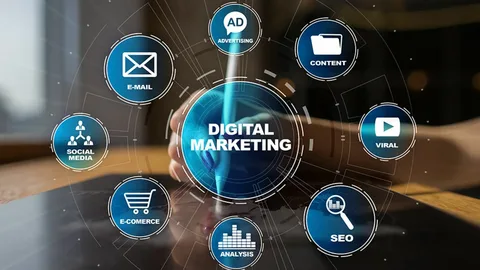
No single channel works alone anymore. The strongest strategies combine all of them in different ways.
Content is no longer just content
There’s a subtle shift happening in how brands think about content. It’s not just about posting. It’s about function. A single piece of content can:
- Educate a potential customer
- Build trust over time
- Push users toward a product
- Support SEO rankings
- Feed social media platforms
If content doesn’t do at least one of these things, it usually gets ignored.
Where most marketing strategies quietly fail
The failure rarely comes from lack of effort. It usually comes from lack of structure. Brands often:
- Post without a clear goal
- Run ads without understanding audience behavior
- Create content without a distribution plan
- Focus on trends instead of consistency
- Measure vanity metrics instead of real outcomes
It looks active on the surface, but nothing connects underneath.
AI has quietly become part of every marketing workflow

AI didn’t replace digital marketing. It slipped into it. Most marketers don’t talk about “using AI as a strategy.” They just use it while doing the work. Writing ad copies faster, testing different versions of a headline, summarizing campaign data, or even planning content calendars that used to take hours.
What changed is not creativity. It’s speed of execution. But speed alone doesn’t guarantee results. If the strategy is weak, AI just produces weak ideas faster. Where AI is actually used:
- Drafting ad copy variations for testing
- Summarizing campaign performance data
- Creating content outlines for blogs and landing pages
- Segmenting audiences based on behavior patterns
- Generating multiple versions of social media posts
Marketers who rely completely on AI usually end up with content that feels flat. The ones getting results treat it like a drafting assistant, not a decision-maker.
Content marketing is now a system, not a task
Content used to mean blogs and social posts. Now it sits at the center of everything. A single idea can stretch across multiple formats. A blog becomes a reel script. A reel becomes a tweet thread. A tweet thread becomes an email. Nothing is created in isolation anymore.
The brands doing well are not producing more content. They’re reusing it properly. A simple content flow often looks like this:
- Long-form blog for SEO traffic
- Short-form videos for reach
- Social posts for engagement
- Email for conversion
- Landing page for action
Each piece supports the next one. If one part is missing, the chain weakens.
Influencer marketing feels different now
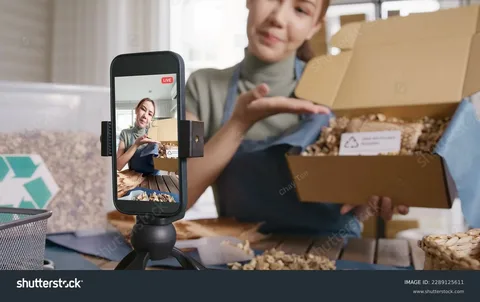
Influencer marketing is no longer just about follower count. That idea is fading fast. Smaller creators often outperform large influencers because their audience still listens. Trust matters more than reach.
Brands are shifting focus toward:
- Micro and nano influencers with niche audiences
- Long-term partnerships instead of one-off posts
- Real product usage instead of scripted promotions
- Performance-based collaboration models
- Content that blends naturally into creator style
A polished ad from a big influencer doesn’t always perform better than a simple, honest recommendation from someone smaller. People notice when something feels forced.
Email marketing still quietly drives conversions
Email doesn’t get the same attention as social media, but it still converts better than most channels when done properly.
The difference now is personalization. Generic email blasts don’t perform well anymore. People expect messages that actually feel relevant to them.
Common email uses include:
- Product recommendations based on user behavior
- Abandoned cart reminders
- Educational sequences for new subscribers
- Launch announcements and updates
- Retention campaigns for existing customers
What makes email powerful is control. Unlike social platforms, no algorithm decides whether your message gets seen.
Marketing funnels still matter, even if they feel old-school
Funnels aren’t outdated. They just don’t look as rigid as they used to. Instead of strict step-by-step journeys, users now move in loops. They see a reel, read a blog, get an ad later, and finally click an email weeks after first interaction.
A simple modern funnel still follows this logic:
| Stage | What happens |
| Awareness | User discovers brand through content or ads |
| Interest | User engages with posts or reads content |
| Consideration | User compares options or reads reviews |
| Conversion | User makes a purchase or signs up |
| Retention | User receives follow-up communication |
The timeline is just less predictable now.
What actually makes campaigns work today
There’s a pattern in campaigns that perform well. It’s rarely about one viral post or one strong ad. It’s consistency across multiple touchpoints.
Successful marketing usually has:
- Clear messaging across all platforms
- Repeated exposure to the same audience
- Content tailored for each stage of awareness
- Strong alignment between ads and landing pages
- Simple, direct calls to action
When even one of these breaks, results drop quickly.
Tools marketers rely on without overthinking it
Most professionals don’t use dozens of tools. They stick to a few that handle specific parts of the workflow.
| Tool | What it’s used for |
| Google Analytics | Tracking website behavior |
| Meta Ads Manager | Running social media ads |
| HubSpot | Email marketing and CRM |
| Canva | Quick visual content creation |
| Notion | Planning and content organization |
| ChatGPT | Writing drafts and ideas |
The real skill isn’t knowing tools. It’s knowing what to ignore.
Where digital marketing quietly struggles
Not everything has scaled smoothly. A few ongoing issues:
- Rising cost per click across ad platforms
- Declining organic reach on social media
- Audience fatigue from constant content exposure
- Over-reliance on automation without strategy
- Difficulty standing out in saturated niches
A lot of marketing looks active, but doesn’t always feel effective.
Building a digital marketing strategy that doesn’t fall apart in a month

Most digital marketing strategies don’t fail because the ideas are bad. They fail because they’re too complicated to maintain.
A lot of people start with big plans. Multiple platforms, daily posting schedules, email funnels, paid ads, SEO blogs, everything running at once. It looks solid on paper. A few weeks later, consistency drops, and the entire system collapses. What works better is something smaller and repeatable.
A practical approach usually looks like this:
- One main platform for content (not five)
- One clear message the brand repeats everywhere
- One content format that is easy to maintain
- One traffic source that is prioritized first
- One conversion goal (sales, sign-ups, or leads)
Simplicity is what keeps marketing alive long enough to work.
How real businesses actually use digital marketing
A small bakery doesn’t run marketing the same way a SaaS company does. A freelancer doesn’t think like an e-commerce brand. The tools may overlap, but the workflows don’t.
Small business example
A local business usually focuses on visibility first.
- Instagram posts showing daily products
- Google Business profile updates
- Simple ads targeting nearby customers
- WhatsApp or email for repeat orders
Nothing complicated. Just repetition and consistency.
Freelancer example
Freelancers care more about visibility and trust.
- LinkedIn posts showing expertise
- Portfolio website with SEO blogs
- Cold emails or outreach messages
- Short-form content for personal branding
Here, marketing is more about credibility than volume.
E-commerce example
E-commerce marketing is closer to a system.
- Paid ads driving traffic
- Email sequences for abandoned carts
- Retargeting ads for returning visitors
- Product-focused social content
- SEO pages for long-term traffic
Everything connects back to sales tracking.
Common mistakes that quietly ruin marketing efforts
Most people don’t notice these mistakes at first. Things look like they’re working until results plateau or drop.
Some of the most common issues:
- Posting without a clear goal behind content
- Chasing trends instead of building consistency
- Ignoring analytics and relying on assumptions
- Running ads without understanding the audience
- Treating all platforms the same way
One of the biggest problems is trying to do everything at once. It spreads effort too thin, and nothing gets strong enough to perform.
What digital marketing is starting to look like in 2026
Digital marketing isn’t becoming simpler. It’s becoming more layered. The tools are easier to access, but expectations are higher. Brands are expected to be present everywhere, respond faster, and still feel authentic.
A few shifts are becoming clear:
- Content is becoming more personalized, not generic
- Small creators are competing directly with big brands
- AI handles execution, humans handle direction
- Short-form content continues to dominate attention
- Trust matters more than frequency of posting
There’s less room for vague messaging now. Audiences ignore anything that feels disconnected or repetitive.
Where most people go wrong with expectations
A lot of frustration in digital marketing comes from timing. People expect fast results, especially after posting regularly for a few weeks or running ads for a short period. But most channels don’t work on short cycles.
SEO takes time. Social media takes consistency. Ads need testing. Email needs a list. None of it is instant.
The gap between effort and outcome is where most people give up too early.
Digital marketing tools will keep evolving, but the core stays the same
Tools will change again next year. Some will disappear. New ones will take their place. That cycle won’t stop.
But the foundation of digital marketing won’t change much. It will still come down to:
- Understanding an audience
- Creating content that feels relevant
- Showing up consistently
- Testing what works and adjusting
- Building trust over time
Everything else sits on top of that.
FAQs
1. What is digital marketing in simple terms?
Digital marketing is the use of online platforms like search engines, social media, email, and websites to promote products or services and reach customers.
2. Which digital marketing channel works best?
There is no single best channel. SEO, social media, email, and paid ads all work differently depending on the business and goals.
3. Do small businesses need digital marketing?
Yes. It helps small businesses reach local or global audiences without relying only on offline visibility.
4. How long does digital marketing take to show results?
Paid ads can show quick results, while SEO and organic content usually take weeks or months to build momentum.
5. Is AI replacing digital marketing jobs?
No. AI is changing how tasks are done, but strategy, creativity, and decision-making still depend on humans.
Conclusion
Digital marketing isn’t about doing more. It’s about doing what actually connects. The platforms are louder, the tools are faster, and the competition never really slows down. Still, the fundamentals haven’t changed as much as they seem. Understanding people, showing up consistently, and building content that feels relevant still decide most of the outcome. Everything else just helps speed it up or organize it better.
Start Building a Smarter Marketing System
If digital marketing feels overwhelming, the best place to start isn’t everywhere at once. It’s one channel, one message, and one clear goal. Build from there slowly instead of trying to cover every platform at the same time. Most effective strategies aren’t complicated; they’re just consistent long enough to work. Focus on what you can actually maintain, not what looks impressive on paper.