

Most people don’t struggle with finding software anymore. They struggle with choosing between too many good-looking options that promise almost the same thing. Every tool today looks polished. Every landing page sounds convincing. Every product claims it will save time, improve workflow, or make work feel easier.
But once you actually start using them, the difference shows up slowly. Not in the first five minutes. Usually after a few days, sometimes weeks. That’s when the cracks start appearing.
Software reviews used to be simple comparisons. Now they feel closer to real-world reports. Not what a tool can do, but how it behaves when you rely on it every day. That shift matters more than people realize.
Why software feels harder to choose today
There’s a strange overload problem in almost every software category now. Whether it’s writing tools, design apps, video editors, or productivity platforms, the choices never really end. On paper, most tools solve the same problem. That’s what makes decision-making harder.
People usually run into the same situation: You open five tabs. All tools look good. All of them have “AI features.” All of them promise simplicity. And suddenly the decision feels heavier than the task itself.
A few reasons this happens:
- Every tool markets itself with similar promises
- Free trials don’t show real limitations
- Features overlap across multiple platforms
- Reviews online often repeat marketing language
- Real usage experience is missing from most comparisons
So instead of clarity, users end up with hesitation. And that hesitation is what makes software reviews important again.
What most software reviews miss completely
A lot of reviews focus too much on features. Lists, specifications, pricing tiers, integrations. That information is useful, but it doesn’t answer the real question users have.
“Does this actually feel good to use every day?”
That’s where most reviews fall short. A tool can have 50 features and still feel frustrating. Another tool can have fewer features and feel effortless. The difference is usually not in capability, but in design, speed, and flow.
Real usage exposes things marketing never mentions:
- Small delays that slow down workflow
- Confusing navigation that builds frustration over time
- Features that exist but are too buried to use
- Performance issues when handling real projects
- Learning curve that only appears after extended use
These details don’t show up in screenshots. They show up in real work.
How people actually experience software in daily life
Software is rarely used in isolation. Most people run multiple tools at the same time. A browser with 20 tabs open, a messaging app running in the background, maybe a design tool or spreadsheet on another screen. That environment changes everything.
A tool that works fine alone might slow down when used alongside others. A simple interface might become confusing when switching between tasks quickly. Even minor delays feel bigger when repeated throughout the day.
This is why real reviews feel different from demo reviews. A few things shape real usage:
- Internet speed and system load
- Multitasking pressure
- Repeated daily usage instead of one-time testing
- Real project complexity instead of sample files
- Time pressure during actual work
Software behaves differently when it becomes part of routine work.
The categories people actually rely on
Most software falls into a few major groups, but how people evaluate them changes depending on what they expect from each category.
Productivity software
This is where people spend most of their time organizing work, planning tasks, and managing daily responsibilities. The expectation here is simple. Reduce mental clutter. If the tool feels complicated, it defeats the purpose immediately.
Creative software
Design tools, video editors, and content creation apps sit here. Performance matters more than almost anything else. Even a slight lag can interrupt flow and break focus. Creators usually care more about speed and responsiveness than feature count.
Business software
CRM tools, analytics dashboards, and financial systems belong here. Accuracy and reliability matter more than appearance. If data is wrong or delayed, the tool becomes useless regardless of design quality.
Communication software
Messaging and collaboration tools need to disappear into the background. The less you notice them, the better they work. People don’t want to think about sending messages. They just want it to happen.
Marketing promises vs real usage experience
One of the biggest gaps in software reviews comes from how tools are presented compared to how they actually behave. Marketing shows clean dashboards, smooth transitions, and ideal workflows. Real usage is less controlled.
Files are larger. Tasks overlap. Errors happen. Multiple users interact with the same system. And suddenly, the tool behaves differently than expected. That gap creates disappointment.
Common differences users notice:
- Speed in demo vs speed under real workload
- Ease of setup vs ease of long-term use
- Feature availability vs feature practicality
- Clean interface vs real-world clutter
This is why relying only on first impressions often leads to wrong decisions.
Why usability matters more than feature lists
Most software pages lead with features. It sounds logical. More features should mean more value. But real usage doesn’t work that way.
People rarely use everything a tool offers. In fact, most users stick to a very small portion of the available functions. What actually matters is how quickly those core functions can be accessed and used without friction.
Usability is what decides whether someone keeps using a tool or abandons it quietly after a few attempts. A software can feel powerful and still be frustrating if:
- Basic actions are buried under multiple menus
- Navigation feels inconsistent across screens
- The interface requires constant relearning
- Small tasks take too many steps to complete
On the other hand, simpler tools often win because they remove hesitation. You don’t think about how to use them. You just use them.
That difference is what most people underestimate when choosing software.
Pricing doesn’t reflect real value
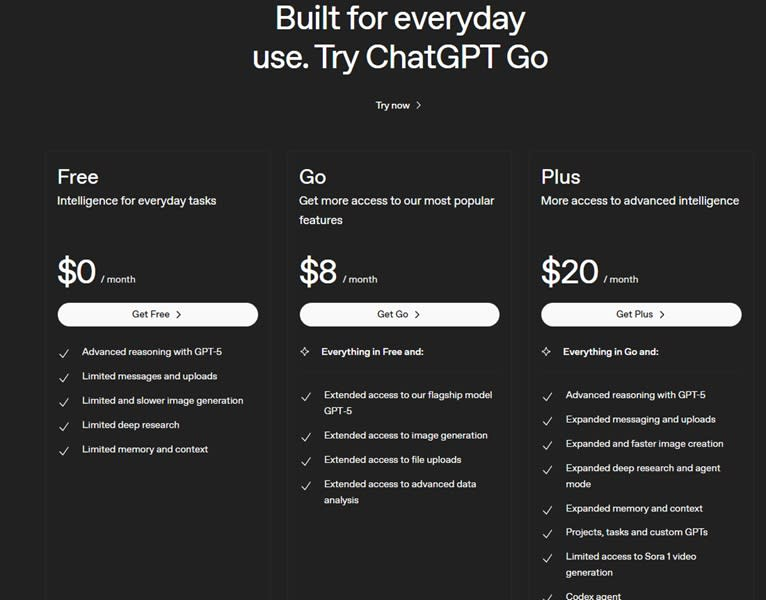
Price is usually the first filter people use when selecting software. It feels logical to compare monthly plans and choose the cheapest workable option. But pricing alone rarely reflects how useful a tool actually becomes in daily work.
A cheaper tool might save money upfront, but cost more in time. A more expensive tool might feel unnecessary at first, but reduce effort significantly over time.
The real cost of software often shows up in hidden ways:
- Time spent fixing errors or workarounds
- Repeating tasks due to missing features
- Switching between multiple tools to complete one job
- Learning curve delays that slow down onboarding
- Frustration that affects the consistency of use
When you add all of that together, “cheap” software can sometimes become more expensive in practice than premium tools.
Value is not what you pay. It’s what you gain back in time and reduced effort.
How software quietly shapes daily workflow
Software is not neutral. It shapes how people work, often without them realizing it. A fast tool encourages experimentation. You try more things because it feels easy to move forward. A slow or complicated tool makes you hesitate, even for small tasks.
Over time, these small interactions build habits. For example:
- A clean task manager encourages consistent planning
- A slow editing tool makes creators avoid complex projects
- A cluttered dashboard leads to partial usage of features
- A smooth writing tool encourages more frequent content creation
The software you use daily becomes part of how you think about work itself.
This is why switching tools often feels uncomfortable. It’s not just about learning a new interface. It’s about adjusting your entire workflow rhythm.
The illusion of “better software”
People often assume newer software is automatically better. More modern interface, more AI features, more integrations. But “better” is not always universal. It depends heavily on context.
A tool that works perfectly for a large team might feel overwhelming for a solo user. A lightweight app that feels fast might lack depth for complex projects.
This mismatch creates confusion when people switch tools, expecting improvement but instead experience friction. What usually gets ignored:
- Whether the tool matches the actual skill level
- Whether it fits existing workflow habits
- Whether it solves real problems or just adds features
- Whether it reduces or increases decision-making effort
Better software is not always the most advanced one. It’s the one that fits the user’s situation without unnecessary friction.
Real-world software behavior vs testing behavior
One of the biggest mistakes in software evaluation is relying too much on short testing periods. A tool can feel perfect in the first hour. Clean interface, smooth onboarding, simple setup. But real problems show up after repeated use.
Real-world usage exposes things like:
- Performance drops during longer sessions
- Missing shortcuts that slow down repetitive tasks
- Limited flexibility when handling complex projects
- Unexpected restrictions in free or mid-tier plans
- Integration issues with other commonly used tools
Testing shows the possibility. Daily use shows reality. That gap is where most wrong decisions happen.
Why switching software feels harder than expected
Switching tools sounds simple. Export data, import into new platform, continue working. But in reality, it rarely feels smooth.
The difficulty is not technical. It is psychological and structural. People build habits around tools without noticing:
- Where they click first
- How they organize information
- Which shortcuts they rely on
- How they mentally structure workflows
When a tool changes, those habits break. Even if the new software is better, the transition feels slower. That’s why many users stay with familiar tools even when better options exist.
Comfort often wins over optimization.
What separates useful software from forgettable software
Not all tools stay in long-term use. Some get tested and forgotten quickly. Others become part of daily routine. The difference is usually subtle.
Useful software tends to:
- Reduce effort instead of adding steps
- Feel predictable in behavior
- Require minimal explanation or training
- Adapt to different use cases without confusion
- Stay stable under real workload conditions
Forgettable software often does the opposite. It relies heavily on novelty but struggles with consistency.
How to actually choose software without overthinking it

Most people don’t need more software options. They need a clearer way to decide. The problem usually starts when comparison goes too far. Ten tabs open, five review videos, multiple “top tools” lists, and suddenly the decision feels heavier than the work itself.
A simpler approach works better in real life. Instead of asking what a tool can do, it helps to ask how often you’ll actually use it. Not once a month. Not in theory. In your real routine.
Good software decisions usually follow a pattern:
- It solves one clear problem you deal with regularly
- It fits naturally into your current workflow
- It doesn’t require constant relearning
- It stays stable even during heavier use
- It reduces steps instead of adding them
If a tool passes these quietly, without feeling forced, it usually works long-term.
How do different people use software in real life
Software doesn’t behave the same way across different users. The same tool can feel completely different depending on who is using it and what pressure they are under.
Student workflow
Students usually need clarity and speed. They are not looking for complex systems. They want tools that help them understand, organize, and complete tasks without distraction.
Most common uses include:
- Organizing notes and study material
- Summarizing long readings into simpler points
- Drafting assignments and improving clarity
- Managing deadlines and schedules
If the software feels heavy or confusing, it usually gets abandoned quickly.
Freelancer workflow
Freelancers live in a different rhythm. Their focus is on output and time management. They often handle multiple clients and projects at once.
They rely on software for:
- Writing and content creation
- Design and editing work
- Client communication and delivery tracking
- Managing deadlines across multiple projects
For freelancers, speed and flexibility matter more than depth of features.
Business workflow
Businesses think differently again. Their focus is consistency, reliability, and scalability.
They usually depend on software for:
- Managing customer data
- Running marketing campaigns
- Tracking performance metrics
- Automating repetitive tasks
- Handling communication across teams
Here, stability matters more than simplicity. A small error in software can affect larger systems.
Common mistakes people keep making with software
Even experienced users repeat the same mistakes when choosing tools. The problem is not a lack of options. It is how decisions are made.
Some of the most common issues include:
- Choosing software based on popularity instead of need
- Switching tools too frequently without mastering any
- Ignoring long-term usability in favor of first impressions
- Overloading workflows with too many apps
- Trusting marketing demos more than real use cases
Most of these mistakes come from trying to optimize too early instead of learning what actually works in practice.
Where software is quietly heading
Software is not changing in a loud, dramatic way. It is slowly blending into daily life more deeply. The direction is clear, even if it is not always obvious.
Tools are becoming:
- More embedded inside platforms people already use
- Less separate and more integrated into workflows
- Simpler on the surface but smarter underneath
- More adaptive to user behavior over time
- Less focused on features, more focused on flow
Instead of switching between apps constantly, users are starting to see software as one connected system.
But even with all this progress, the core problem stays the same. People still want tools that make work easier, not more complicated.
What actually matters in the long run
After all comparisons, reviews, and testing, most people end up realizing something simple.
The best software is not the one with the most features or the most advanced interface. It is the one that quietly fits into your routine without resistance.
Long-term usefulness usually comes down to:
- Consistency in performance
- Ease of repeated use
- Low friction during daily tasks
- Predictability in behavior
- Minimal disruption when scaling work
When software reaches that point, it stops feeling like a tool and becomes part of the workflow itself.
FAQs
1. What should I look for in software reviews?
Focus on real-world usability, performance during daily use, learning curve, and how well the software fits into your workflow rather than just feature lists.
2. Are paid software tools always better than free ones?
Not always. Paid tools often offer better stability and features, but free tools can work well depending on your needs and usage level.
3. Why do people switch software so often?
Most switches happen due to mismatched expectations, unclear workflows, or tools that look good in marketing but feel different in real use.
4. How do I know if software is right for me?
If it solves your main problem clearly, fits into your routine easily, and reduces effort instead of adding complexity, it is likely a good fit.
5. What is the biggest mistake when choosing software?
Choosing based on features or popularity instead of actual daily usage needs is the most common mistake.
Conclusion
Software is no longer just a set of digital tools sitting on a screen. It quietly shapes how work flows every day. The difference between a good tool and a frustrating one often shows up not in features, but in how it feels during repeated use. When software fits naturally into routine work, it disappears into the background. That is usually when it is doing its job best.
Choose tools that reduce effort, not attention
Before selecting any software, it helps to slow down and consider how it will actually feel after a week of use, not just how it appears in a demo. The best tools are not the ones that impress immediately. They are the ones that quietly make work easier without asking for constant attention. Start small, test in real conditions, and choose based on how it fits your workflow, not how it looks on a landing page.