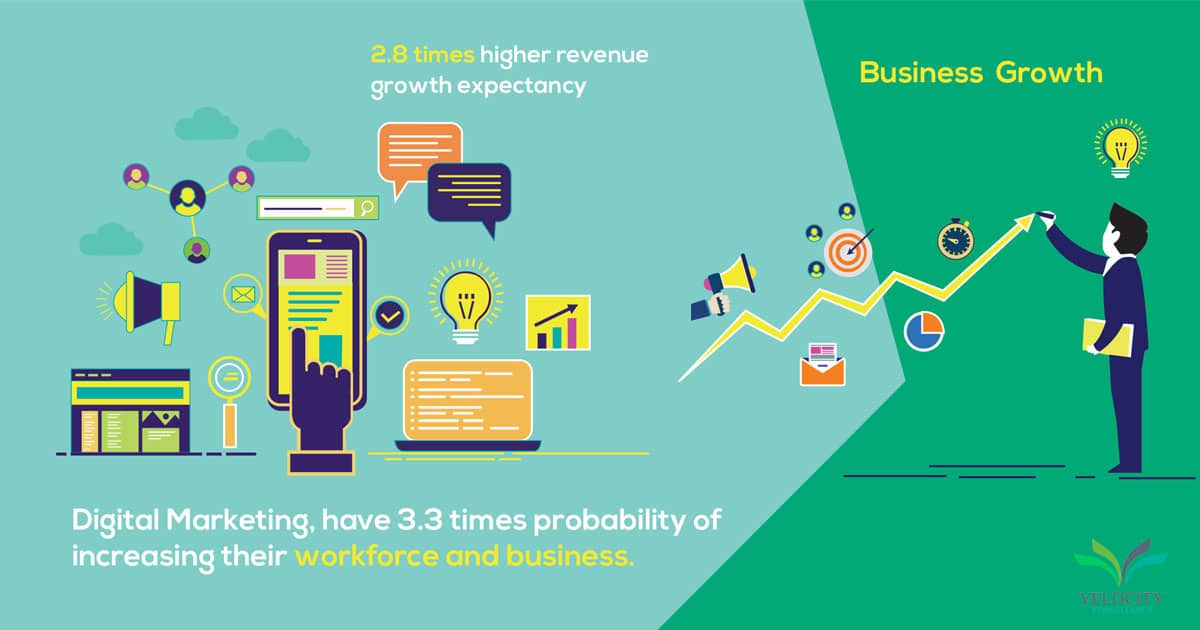


Digital marketing has become the backbone of modern business growth, shaping how brands attract customers, build trust, and generate revenue. Almost every business today depends on its online presence to stay competitive, yet many still struggle to achieve consistent results despite investing time and money.
The main issue is rarely a lack of effort. Instead, it comes from small but repeated strategic mistakes that slowly weaken performance. These mistakes often go unnoticed at first, but over time they reduce visibility, lower engagement, and limit conversions. Understanding these gaps is essential for building a stronger and more scalable digital presence.
Poor Audience Targeting and Misaligned Messaging
One of the most common reasons digital campaigns fail is unclear audience targeting. When businesses try to communicate with everyone, their message becomes too generic to connect with anyone effectively. This leads to wasted budgets, weak engagement, and low conversion rates.
Audience targeting is not just about basic demographics. It includes understanding user intent, behavior patterns, interests, and pain points. When these elements are ignored, even well-designed campaigns fail to deliver results.
Understanding the audience more deeply helps ensure every message feels relevant and intentional.
- Reduces irrelevant traffic and improves conversion quality
- Increases engagement through personalized communication
- Improves return on advertising spend
- Builds stronger long-term customer relationships
Ignoring SEO Fundamentals in Strategy Execution
Search engine optimization is one of the strongest long-term traffic sources, yet many businesses either ignore it or implement it incorrectly. Instead of building structured and optimized content, they focus only on publishing frequently, which limits visibility.
SEO is more than keywords. It includes technical structure, content quality, internal linking, and website authority. Without these elements working together, search engines struggle to rank pages effectively.
A strong SEO foundation ensures long-term discoverability and consistent traffic.
- Improves rankings for relevant search queries
- Increases organic traffic without ongoing ad costs
- Builds authority and trust over time
- Enhances website structure and navigation
Weak Content Strategy That Fails to Deliver Value
Content is at the center of digital marketing, but many businesses treat it as a secondary task rather than a strategic asset. Posting irregular or low-quality content leads to poor engagement and weak audience retention.
Effective content is built on consistency, relevance, and value. It should answer real questions, solve problems, and guide users through their journey.
A strong content approach creates lasting impact and strengthens brand presence.
- Builds authority and trust within the industry
- Improves engagement and user retention
- Supports SEO performance and keyword visibility
- Strengthens brand storytelling and identity
Inconsistent Branding Across Digital Platforms
Brand consistency plays a major role in how audiences perceive a business. When messaging, tone, or visuals differ across platforms, it creates confusion and weakens trust. Users may struggle to recognize the brand or feel uncertain about its reliability.
Consistency ensures that every interaction feels familiar, no matter where the user encounters the brand. This familiarity directly improves recognition and trust.
Strong branding builds confidence and long-term loyalty.
- Improves recognition across all platforms
- Builds trust through repeated consistent exposure
- Enhances professional image and credibility
- Strengthens customer recall and loyalty
Neglecting Analytics and Performance Tracking
Without analytics, marketing becomes guesswork. Many businesses invest in campaigns without tracking how users interact with their content, which leads to repeated mistakes and wasted spending.
Analytics provide clarity on what is working and what needs improvement. They help businesses make informed decisions rather than relying on assumptions.
Data-driven strategies lead to smarter and more efficient marketing.
- Identifies high-performing campaigns and channels
- Reveals user behavior and drop-off points
- Improves ROI through optimization
- Enhances targeting and messaging decisions
Overdependence on Paid Advertising Alone
Paid advertising can generate quick results, but relying only on it creates instability. Once the budget stops, traffic and visibility also stop. Many businesses fail to build organic systems that support long-term growth.
A balanced strategy is necessary to maintain both short-term and long-term performance.
Combining paid and organic channels creates stability and scalability.
- Paid ads provide immediate visibility
- Organic channels build long-term traffic
- Balanced strategies improve ROI
- Reduces dependency on ad spend
Ignoring Mobile Optimization and User Experience
Most users browse websites on mobile devices, yet many businesses still fail to optimize their platforms for mobile usability. Slow loading speeds, poor layouts, and difficult navigation lead to high bounce rates.
User experience directly influences engagement and conversions. Even strong marketing campaigns fail if the website experience is poor.
A smooth and responsive experience improves overall performance.
- Reduces bounce rates through faster performance
- Improves navigation across devices
- Increases conversion rates
- Enhances user satisfaction
Lack of Integrated Marketing Strategy
Many businesses run separate campaigns across different platforms without connecting them into a unified system. This leads to inconsistent messaging and fragmented customer journeys.
An integrated approach ensures all channels work together toward shared goals, creating a smoother and more effective experience for users.
Unified strategies strengthen overall marketing performance.
- Aligns messaging across platforms
- Improves customer journey consistency
- Enhances campaign effectiveness
- Increases overall ROI
Key Digital Marketing Mistakes Summary Table
| Mistake Area | Impact on Growth | Primary Fix |
| Poor Audience Targeting | Low conversions and wasted budget | Define clear buyer personas |
| Weak SEO Strategy | Low visibility in search results | Improve technical and on-page SEO |
| Inconsistent Content | Low engagement and retention | Build content calendar |
| Branding Gaps | Weak trust and recognition | Maintain consistent branding |
| No Analytics | Poor decision-making | Use tracking tools regularly |
| Paid Ads Dependency | Unstable traffic | Balance paid and organic channels |
| Poor UX Design | High bounce rate | Improve mobile experience |
| No Integration | Fragmented strategy | Align all marketing channels |
FAQs
What is the most damaging digital marketing mistake?
Poor audience targeting is one of the most damaging mistakes because it leads to irrelevant traffic and low conversions.
Why is SEO important for long-term success?
SEO ensures consistent organic visibility and reduces dependency on paid advertising over time.
How does content strategy affect growth?
A strong content strategy builds trust, improves engagement, and supports SEO performance.
Why is analytics important in marketing?
Analytics help track performance, optimize campaigns, and improve return on investment.
What happens if user experience is ignored?
Poor user experience leads to high bounce rates, low engagement, and reduced conversions.
Conclusion
Digital marketing success depends on how well all its components work together. Even small mistakes in targeting, SEO, branding, or user experience can slowly weaken overall performance. These issues often go unnoticed until growth starts slowing down significantly.
Businesses that take time to refine their strategy based on data, audience behavior, and consistent optimization tend to perform much better in competitive environments. Improvement does not always require major changes—often, small corrections across multiple areas create the biggest impact.
A strong digital presence is built through consistency, clarity, and continuous improvement. When every part of the strategy aligns properly, growth becomes more stable, predictable, and scalable over time.
Growth Will Not Wait—Fix the Gaps Before Results Decline Further
Digital competition is increasing every day, and businesses that delay improvements often fall behind without realizing it. Small inefficiencies in targeting, content, SEO, or user experience can compound into major performance losses over time.
The businesses that succeed are those that continuously analyze, adapt, and optimize their strategies. Waiting too long to fix foundational issues makes recovery more difficult and expensive later.
Taking action now ensures stronger visibility, better engagement, and more reliable long-term growth.