
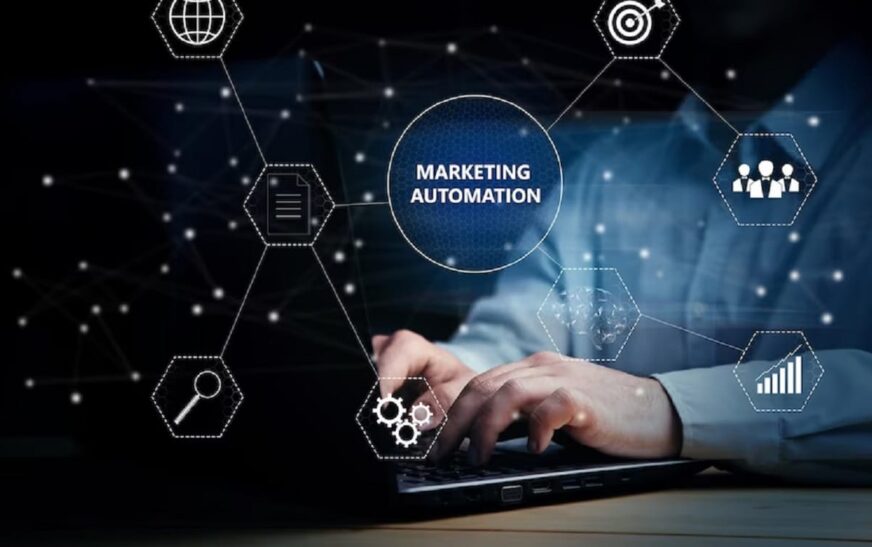
Marketing today moves faster than ever. Customers interact with brands across websites, emails, social media platforms, and online stores, often expecting personalized experiences at every touchpoint. Keeping up with these expectations manually can quickly become overwhelming, especially for small teams and growing businesses. This is where automation becomes an important part of a modern marketing strategy.
Marketing automation helps businesses streamline repetitive tasks while creating more consistent customer experiences. Instead of spending hours manually sending emails, organizing leads, or tracking customer interactions, marketers can use automation to handle these activities efficiently. For beginners, understanding the fundamentals is the first step toward building smarter campaigns that save time and support long-term growth.
What Is Marketing Automation?
Marketing automation refers to the use of software and technology to automate repetitive marketing activities. These systems are designed to perform actions automatically based on predefined rules, customer behaviors, or specific triggers. Whether it’s sending a welcome email, nurturing a lead through a sales funnel, or scheduling social media content, automation helps ensure that marketing efforts remain consistent and scalable.
Businesses of all sizes use automation to improve efficiency while delivering relevant experiences to customers. Rather than replacing marketers, automation supports them by handling routine tasks and providing valuable insights that can improve decision-making.
Understanding the Technology Behind Modern Marketing
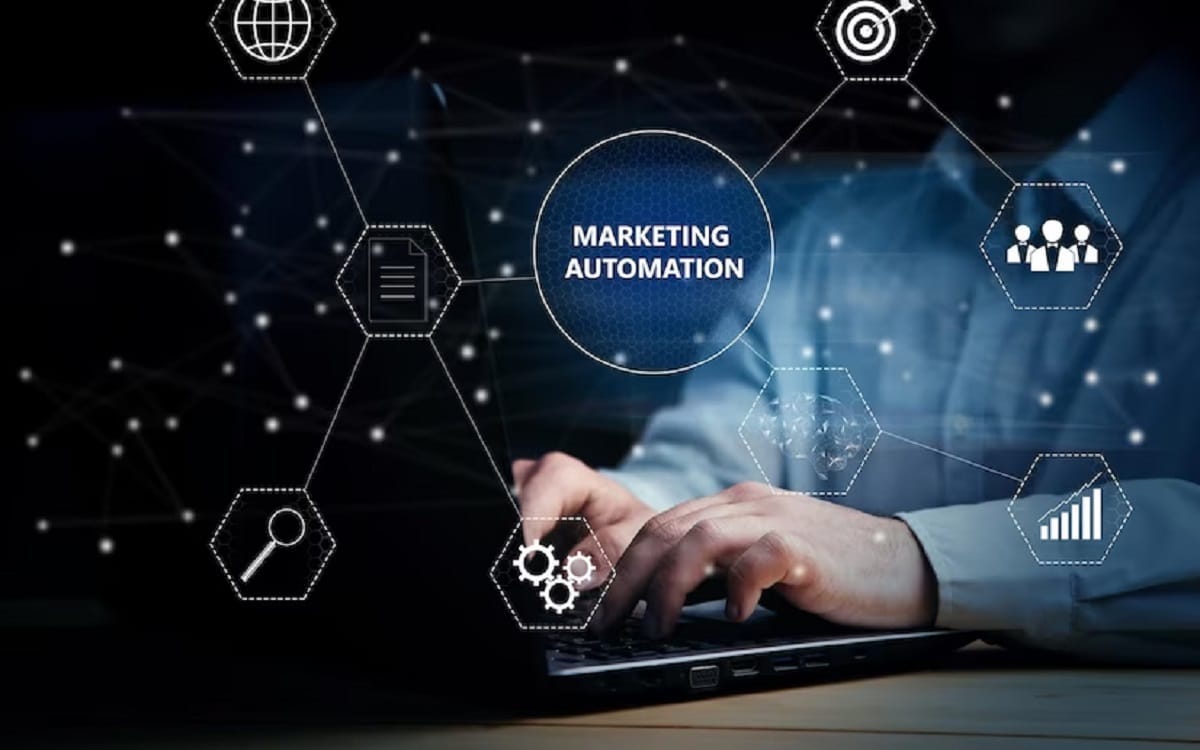
At its core, marketing automation connects customer data, communication channels, and workflows into a single system. When a customer acts—such as downloading an eBook, subscribing to a newsletter, or making a purchase—the automation platform can respond instantly with a predetermined action.
This technology helps businesses maintain communication without requiring constant manual involvement. As customer interactions increase, automation ensures that every prospect receives timely and relevant messages based on their interests and behavior.
Key benefits include the following:
- Automating repetitive marketing tasks.
- Delivering personalized customer experiences.
- Improving consistency across marketing channels.
For beginners, understanding these foundations makes it easier to see how automation can become a valuable part of everyday marketing operations.
Why Businesses Are Adopting Marketing Automation
Businesses today face increasing pressure to engage customers quickly and effectively. Consumers expect relevant content, timely communication, and personalized experiences. Meeting these expectations manually can become difficult as audiences grow.
Marketing automation provides a practical solution by helping businesses manage larger volumes of interactions without sacrificing quality. It allows teams to focus more on strategy and creativity while technology handles repetitive operational tasks.
The Growing Demand for Efficiency and Personalization
Modern consumers are more likely to engage with brands that understand their preferences and provide content tailored to their needs. Automation makes this level of personalization possible at scale.
For example, a customer who views a product page may automatically receive follow-up emails containing related information. A new subscriber can receive onboarding content designed specifically for first-time visitors. These experiences help strengthen customer relationships while improving engagement rates.
Businesses increasingly adopt automation because it enables them to:
- Save time and reduce manual workload.
- Improve customer engagement and retention.
- Scale marketing activities more efficiently.
As competition continues to grow, automation gives organizations the ability to maintain meaningful communication without requiring significant increases in resources.
Essential Tools Every Beginner Should Know
Before launching automated campaigns, it’s important to understand the tools that enable automation. Different platforms offer different capabilities, but most automation systems share several core features that support customer engagement and campaign management.
Choosing the right tools early can simplify implementation and create a stronger foundation for future growth.
Building the Foundation of an Automated Marketing System
Most marketing automation platforms combine multiple functions into one dashboard. These functions help businesses manage contacts, create workflows, monitor performance, and communicate across various channels.
A beginner-friendly automation system should include features that are easy to learn while offering enough flexibility to support future expansion. Simplicity is often more valuable than having every advanced feature available.
Important tools often include:
- Email marketing and campaign management.
- Customer relationship management integration.
- Analytics and reporting dashboards.
As businesses become more experienced, they can gradually expand their automation efforts by adding advanced segmentation, lead scoring, and multi-channel campaign capabilities.
How to Create Your First Automated Workflow
One of the most exciting aspects of automation is building workflows that operate automatically after being configured. A workflow is simply a sequence of actions triggered by specific customer behaviors or predefined conditions.
Creating a workflow may sound technical, but most modern platforms provide visual builders that make the process straightforward, even for beginners.
Turning Customer Actions Into Automated Experiences
The first step in building a workflow is identifying a clear objective. For example, you may want to welcome new subscribers, nurture potential customers, or encourage repeat purchases.
Once the objective is defined, you can establish triggers and actions. A trigger starts the workflow, while actions determine what happens next. This could involve sending emails, assigning leads, updating customer records, or notifying team members.
When designing your first workflow:
- Start with a single, clear goal.
- Focus on one customer journey at a time.
- Test every step before launching.
Simple workflows often produce the best learning opportunities because they allow beginners to understand automation logic without unnecessary complexity.
Email Automation: The Best Place to Start
Email remains one of the most effective marketing channels available. It offers direct communication with customers and provides numerous opportunities for automation.
For beginners, email automation is often the easiest and most impactful place to begin. It delivers measurable results while introducing many of the concepts used throughout broader automation strategies.
Creating Meaningful Customer Conversations at Scale
Effective email automation focuses on relevance rather than volume. Customers are more likely to engage with messages that match their interests and arrive at appropriate moments.
Welcome sequences, abandoned cart reminders, educational email series, and customer onboarding campaigns are common examples of automated email workflows. These campaigns operate continuously while providing consistent experiences for every recipient.
Best practices include:
- Personalizing messages whenever possible.
- Writing clear and engaging subject lines.
- Including strong but natural calls to action.
When implemented correctly, email automation helps businesses maintain relationships while encouraging customers to move through the buying journey more effectively.
Measuring Performance and Improving Results
Launching an automated campaign is only the beginning. The real value of marketing automation comes from continuously analyzing performance and making improvements based on data. Successful marketers understand that even the most carefully designed workflows can be optimized over time to generate better engagement, stronger conversions, and a higher return on investment.
By regularly reviewing campaign metrics, businesses can identify what resonates with their audience and what areas need adjustment. This data-driven approach helps ensure that automation remains effective as customer preferences and market conditions evolve.
Using Data to Make Smarter Marketing Decisions
Marketing automation platforms provide access to detailed analytics that reveal how customers interact with campaigns. These insights can help businesses understand audience behavior and make informed decisions about future marketing efforts.
For example, if an email campaign receives a high open rate but a low click-through rate, it may indicate that the subject line is effective but the content needs improvement. Similarly, low engagement throughout a workflow could suggest that the messaging is not aligned with customer interests.
Important metrics to monitor include:
- Email open rates and click-through rates.
- Conversion rates and lead generation performance.
- Customer engagement throughout workflows.
Testing different approaches is also essential. Small changes to email copy, subject lines, timing, or workflow sequences can often produce significant improvements. Over time, continuous optimization helps businesses maximize the effectiveness of their automation strategy.
Common Mistakes That Slow Down Success
While marketing automation offers numerous benefits, beginners often encounter challenges during implementation. Many of these issues stem from attempting to automate too much too quickly or relying on technology without considering the customer experience.
Understanding common mistakes can help businesses avoid setbacks and create more effective campaigns from the start.
Avoiding Costly Errors When Getting Started
One of the most common mistakes is treating automation as a substitute for genuine customer engagement. Although technology can streamline communication, customers still expect content that feels relevant, helpful, and human.
Another frequent issue is creating overly complex workflows. Beginners sometimes build extensive automation sequences with multiple triggers and conditions before mastering the basics. This complexity can make campaigns difficult to manage and troubleshoot.
Businesses should also avoid neglecting audience segmentation. Sending identical messages to every contact often reduces engagement and limits the effectiveness of automated campaigns.
Common mistakes include:
- Sending excessive automated communications.
- Failing to personalize customer interactions.
- Creating unnecessarily complicated workflows.
The most successful automation strategies begin with simple processes and gradually become more sophisticated as experience and confidence grow.
Building a Long-Term Marketing Automation Strategy
Marketing automation should not be viewed as a short-term project. Instead, it should become an ongoing component of a company’s broader marketing strategy. As businesses grow, their automation efforts can evolve to support more advanced customer journeys, larger audiences, and increasingly personalized experiences.
A long-term strategy focuses on creating sustainable systems that continue delivering value over time.
Scaling Your Efforts Without Losing the Human Touch
As automation expands, maintaining authenticity becomes increasingly important. Customers appreciate efficiency, but they also want to feel understood and valued. Businesses that balance automation with personalization often achieve the best results.
One effective approach is to map automation activities to different stages of the customer journey. Prospects may require educational content, while existing customers may benefit from loyalty-focused campaigns and personalized recommendations.
Long-term success often depends on:
- Continuously refining customer segmentation.
- Expanding workflows based on proven performance.
- Aligning automation with business growth objectives.
Rather than automating every process immediately, businesses should focus on gradual improvements that enhance customer experiences while supporting organizational goals.
By building automation strategically, companies can create systems that scale effectively without sacrificing the quality of customer interactions.
FAQs
1. Is marketing automation suitable for small businesses?
Yes. It helps small businesses save time, automate repetitive tasks, and engage customers more efficiently.
2. How long does it take to set up marketing automation?
Basic workflows can be set up within a few hours, while advanced automation systems may take several days or weeks.
3. Do I need technical skills to use marketing automation software?
No. Most platforms offer user-friendly tools and visual workflow builders that require little to no coding knowledge.
4. What types of campaigns work best with automation?
Welcome emails, lead nurturing campaigns, customer onboarding sequences, abandoned cart reminders, and follow-up emails.
5. How can I measure the success of my automation efforts?
Track key metrics such as open rates, click-through rates, conversions, lead quality, and customer retention.
Conclusion:
Marketing automation has transformed the way businesses communicate with their audiences. What once required hours of manual effort can now be managed through intelligent workflows that operate efficiently and consistently. For beginners, automation may initially seem overwhelming, but the fundamentals are surprisingly accessible when approached step by step.
The journey begins with understanding how automation works, selecting the right tools, and implementing simple workflows that support specific business goals. As confidence grows, these systems can expand to include more advanced personalization, customer segmentation, and multi-channel engagement strategies.
Perhaps the greatest advantage of automation is its ability to combine efficiency with relevance. Businesses can engage customers at the right time, with the right message, while freeing up valuable resources for strategic initiatives. When supported by regular analysis and optimization, automation becomes a powerful engine for sustainable growth.
Rather than viewing automation as a technology project, businesses should see it as a long-term investment in customer relationships and operational excellence. Those who embrace it thoughtfully can create more meaningful experiences while positioning themselves for future success in an increasingly competitive digital landscape.
Why Waiting to Automate Could Cost You Valuable Opportunities
Every day that marketing processes remain entirely manual represents an opportunity for inefficiency, missed engagement, and slower growth. Customers expect timely communication and personalized experiences, and businesses that fail to meet these expectations risk falling behind competitors who have already embraced automation.
The good news is that getting started does not require a massive budget, a large team, or advanced technical expertise. The most effective automation strategies often begin with a single workflow, a simple email sequence, or a basic customer journey. Small improvements made today can create significant advantages over time.
As digital marketing continues to evolve, automation is becoming less of an optional enhancement and more of a competitive necessity. Businesses that take action now can build stronger customer relationships, improve operational efficiency, and establish scalable systems that support long-term success. The sooner you begin exploring automation, the sooner you can benefit from the consistency, insights, and growth opportunities it provides.